9 Top Dash Social Alternatives for SMBs [2026 Update]
Dash Social has built a solid name for itself, especially if your focus is on visual platforms like Instagram and TikTok. It’s known for clean analytics, influencer tracking, and content planning that leans heavily into visuals.
For some brands, that’s exactly what they need.
But once you start managing multiple platforms, working with a team, or juggling different client accounts, things can feel a bit tight. Not every business runs on the same workflow. Some need deeper reporting. Others want more automation. And plenty just want something that’s easier to use day-to-day.
That’s where exploring alternatives starts to make sense.
Over the past year, I’ve spent time testing a range of social media tools. Some are built for speed. Some are better for teams. Others shine when it comes to analytics or content planning. And a few try to do everything in one place.
In this guide, I’ll walk you through 9 of the best Dash Social alternatives for SMBs in 2026. Here, you will see practical insights on what each tool does well, where it falls short, and who it actually works for.
Table of Contents
- 1 But First, Why Should You consider a Dash Social alternative?
- 2 Top 9 Dash Social Alternatives 2026
- 3 1. OnlySocial ($29/Month)
- 4 2. Hootsuit ($99/Month)
- 5 3. Buffer ($6/Month/Channel)
- 6 4. Loomly
- 7 5. Planable ($33/Month)
- 8 6. Sprout Social ($199/Month)
- 9 7. Metricool ($18/Month)
- 10 8. Publer ($4/Month)
- 11 9. Agorapulse ($69/Month)
- 12 How to Choose the Best Dash Social Alternative
But First, Why Should You consider a Dash Social alternative?
Dash Social does a few things well, especially for visual platforms. But once you start using it daily, a few gaps show up. And that’s usually when people begin looking elsewhere.
Here are some of the common reasons.
1. The pricing climbs fast
Dash Social isn’t built for small budgets. Plans start high ($999/month), and scaling up can feel like a big jump rather than a smooth step.
I’ve seen teams hold back on adding users or features just to avoid the next pricing tier. That’s never a good place to be. You want a tool that grows with you, not one that makes you second-guess every upgrade.
2. Scheduling feels limited
For a tool in this space, the scheduling side feels a bit thin. You can plan content for some platforms, but not all. For example, you might track performance on YouTube or Threads, but you can’t actually schedule posts there. That split can slow things down, especially if you’re managing multiple channels in one workflow.
Most teams prefer having everything in one place. No switching tools just to get posts out.
3. Collaboration tools are basic
If you’re working solo, this might not matter much. But once you have a team, things get tricky. Dash Social doesn’t go far with approvals or workflows. You get basic commenting, but not much structure around who approves what or when.
In real-world setups, especially with clients or larger teams, that lack of structure can lead to delays or mistakes.
4. Some “basic” features aren’t really there
This one surprises a lot of people.
Simple things like drag-and-drop scheduling or flexible media libraries aren’t as smooth as you’d expect. And some features that feel standard in other tools are locked behind higher-tier plans.
Over time, that adds friction. Small tasks take longer. And the platform starts to feel heavier than it should.
Put all of this together, and it’s clear why people explore alternatives. Not because Dash Social is bad, but because many teams need something more flexible, more complete, or simply easier to work with day to day.
Top 9 Dash Social Alternatives 2026
1. OnlySocial ($29/Month)
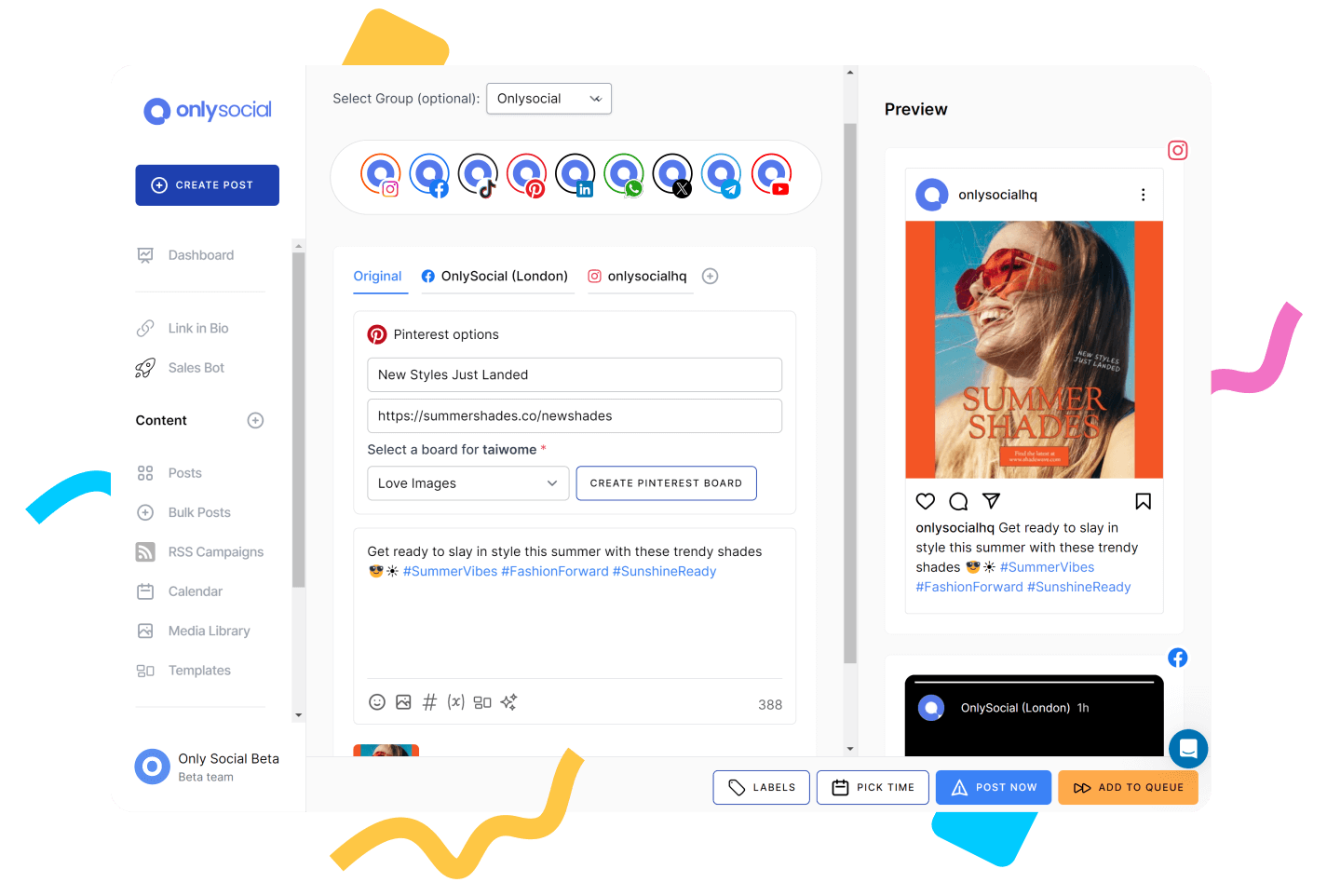
OnlySocial is one of those tools that feels like it was built by people who actually manage social media every day. It covers scheduling, engagement, analytics, and even content creation in one place, without making things complicated.
What stood out to me early on is how easy it is to get started. You don’t need to be “techy” to use it. The layout is clean, everything is where you expect it to be, and you can move from planning to publishing without getting stuck or confused.
Key Features of OnlySocial
Multi-platform publishing
OnlySocial lets you post across 15+ platforms from one dashboard. That includes Facebook, Instagram, LinkedIn, TikTok, Pinterest, YouTube, Google Business Profile, Threads, Mastodon, and Bluesky. If you’re managing multiple channels, this alone saves a lot of time.
Advanced scheduling tools
This is where it really shines. You can bulk upload hundreds of posts, set up evergreen content, and use a drag-and-drop calendar that makes planning feel simple. Uploading up to 500 posts at once is a big win if you like batching content.
AI-powered content creation
The built-in AI helps you get past the “what do I write?” moment. It suggests captions, hashtags, and even visuals. It’s not just a gimmick. It actually speeds things up when you’re working on tight schedules.
All-in-one inbox
All your messages and comments come into one place. That includes WhatsApp Business too.
No more jumping between tabs just to reply to people.
Approval workflows and team collaboration
If you’re working with a team or clients, this feature makes a difference. You can assign roles, set approvals, and keep everything organized without endless back-and-forth.
Analytics and reporting
You get clear insights into how your content is performing. Reports are easy to create and actually useful when you need to show results.
White-label dashboard
For agencies, this is a strong add-on. You can rebrand the platform with your own logo and domain, and offer it as part of your service.
Pricing
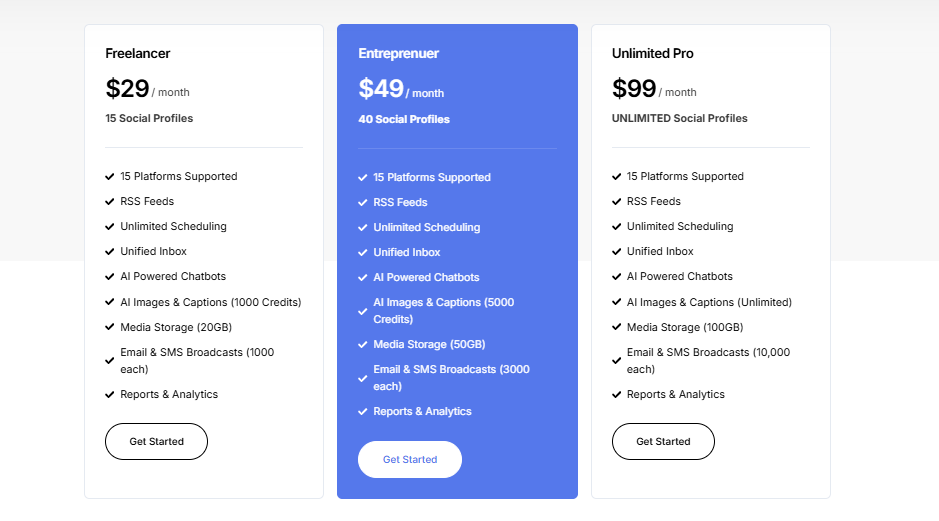
OnlySocial keeps pricing simple, which is refreshing. It offers three tailored plans, each crafted to suit different user needs.
Freelancer – $29/month
Best for individuals or small teams getting started
- 15 social profiles
- Unlimited scheduling
- Unified inbox
- AI images & captions (1000 credits)
- 20GB storage
- Email & SMS broadcasts (1000 each)
- Analytics and reports
Entrepreneur – $49/month
A good fit for growing businesses
- 40 social profiles
- Everything in Freelancer
- AI credits increased to 5000
- 50GB storage
- Email & SMS broadcasts (3000 each)
Unlimited Pro – $99/month
Built for agencies and larger teams
- Unlimited social profiles
- Unlimited AI credits
- 100GB storage
- Email & SMS broadcasts (10,000 each)
- Full access to all features
Compared to Dash Social, the pricing feels far more flexible. You’re not locked into a high starting cost.
My Experience with OnlySocial
I’ve used quite a few social media tools, and OnlySocial is one of the few that didn’t feel like work to use.
The first thing I noticed was speed. Scheduling content for multiple platforms didn’t take long. The bulk upload feature alone saved hours, especially when planning weeks ahead.
The AI tools were another highlight. Instead of staring at a blank screen, I could generate a solid caption in seconds and tweak it. In fact, t allows me to generate relevant visuals in high quality for my post. it was a huge help for me.
I also liked the inbox. Having messages from different platforms in one place made it easier to stay on top of engagement without missing anything.
But what really makes it a strong Dash Social alternative is the balance. You get scheduling, analytics, collaboration, and AI tools all working smoothly together. Nothing feels half-built or locked behind expensive upgrades.
If you’re running multiple accounts or working with a team, it just makes your workflow easier. And that’s what most people are looking for in 2026.
2. Hootsuit ($99/Month)
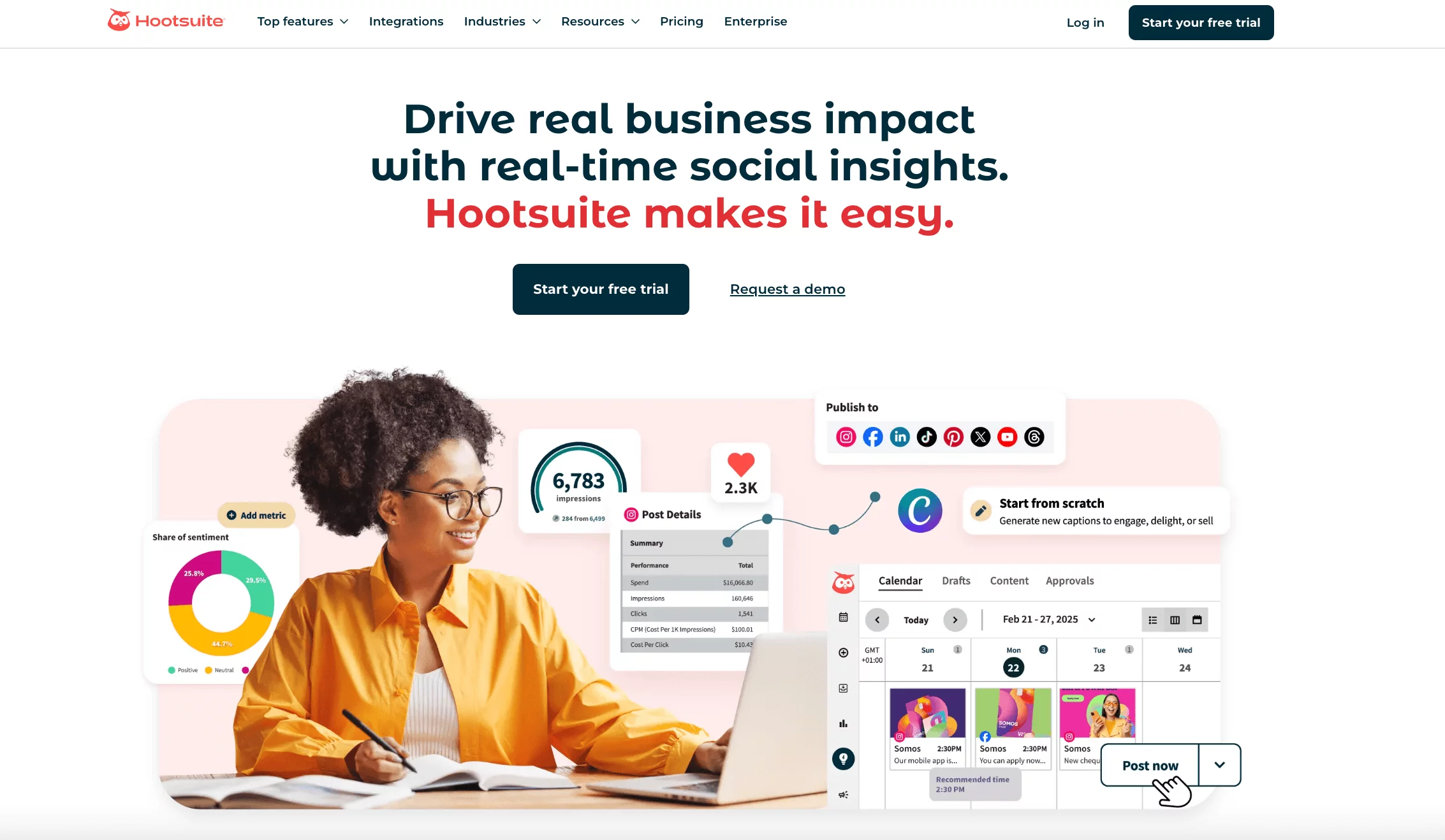
Hootsuite is one of the oldest names in social media management, and it shows in how much it can handle. It’s built for managing multiple accounts across different platforms without needing separate tools.
From what I’ve seen, it leans heavily into monitoring and listening. So if your focus is tracking conversations, trends, or brand mentions at scale, it gives you more depth than most tools in this space.
Key Features
Multi-platform scheduling
You can schedule posts across a wide range of platforms from one dashboard. Bulk scheduling is available, which helps when planning content in batches.
Advanced social listening
This is where Hootsuite stands out. It doesn’t just track mentions. It can pick up visual content like logos and products using AI, which adds another layer to monitoring.
Sentiment analysis
You can track how people feel about your brand or campaigns over time. This helps you spot issues early or understand what’s working.
Influencer discovery
Hootsuite can surface influencers in your niche, along with their performance data and audience insights. Useful if influencer marketing is part of your strategy.
Analytics and reporting
Detailed reports give you a breakdown of performance across channels. Good for teams that need data to back decisions.
Pricing
Hootsuite starts at $99 per user/month (billed annually). There’s also a 30-day free trial, which is helpful if you want to test the platform before committing.
For smaller teams, the per-user pricing can add up quickly, especially compared to tools that offer flat plans.
My Experience with Hootsuite
Hootsuite feels powerful, but also a bit heavy.
The social listening features are genuinely impressive. If you care about tracking conversations, brand sentiment, or spotting trends early, it does a great job. The visual recognition feature is something I don’t see often, and it’s useful for brands with strong visual identity.
On the flip side, the interface can take time to get used to. It’s not as quick or intuitive as some newer tools. And when working with a team, the collaboration side feels a bit limited. Approvals and workflows aren’t as smooth as you’d expect at this price point.
Overall, it’s a strong option if listening and analytics are your priority. But if you want something faster and more flexible for daily posting and team workflows, there are easier tools to work with.
3. Buffer ($6/Month/Channel)
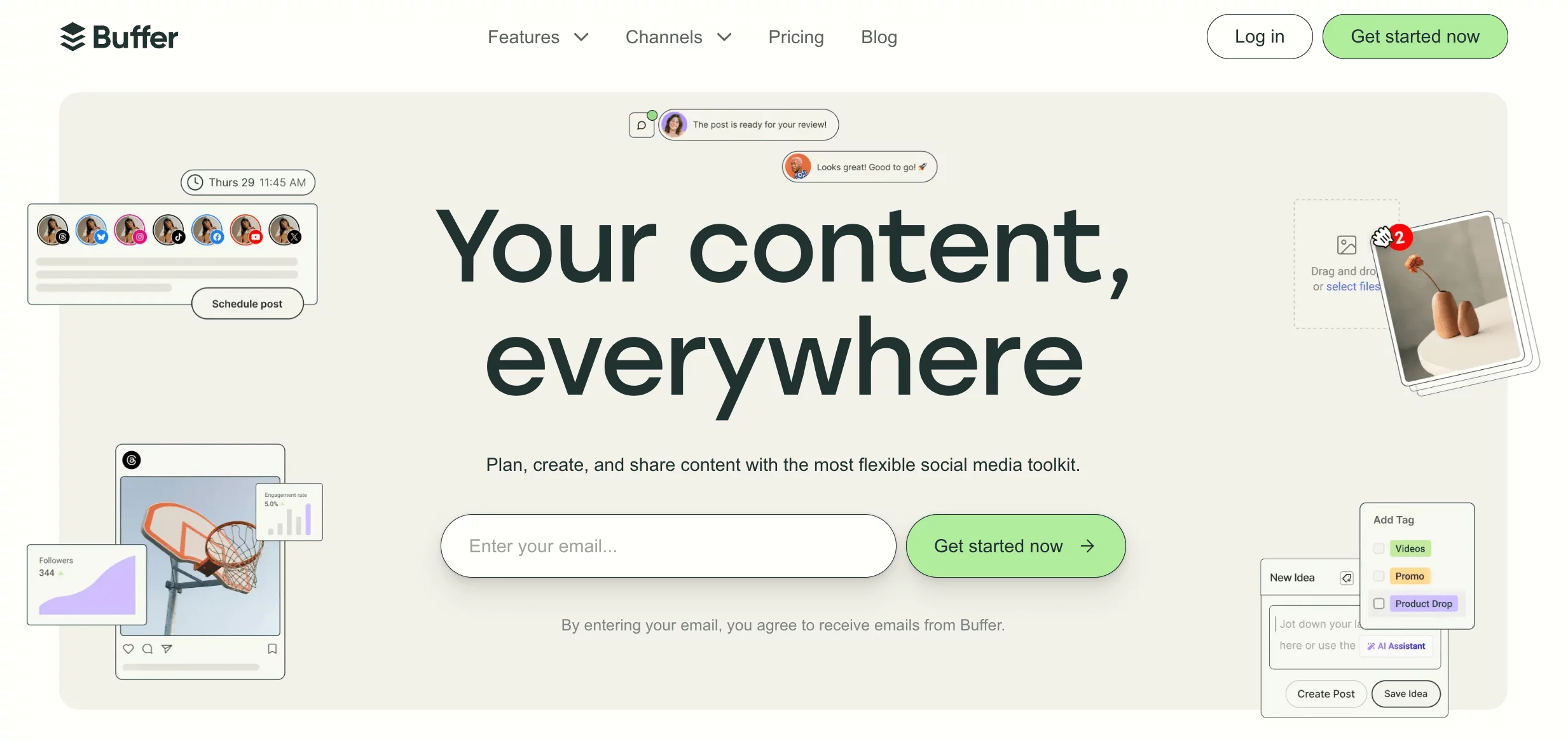
Buffer has always been a go-to for small businesses that want something simple and reliable. It focuses on helping you stay consistent with posting, without overwhelming you with too many features.
What I like about Buffer is how straightforward it feels. You can connect multiple platforms, plan content quickly, and keep things moving without needing a long setup process.
Key Features
- Wide platform support: Buffer supports a solid range of platforms, including Bluesky, Threads, Google Business Profile, YouTube, and Mastodon. That’s a step up from tools that limit where you can publish.
- Scheduling and publishing: You can queue posts, plan content ahead, and keep your channels active without logging in every day.
- Engagement tools: Buffer’s inbox lets you reply to comments and messages from Facebook and Instagram. You can also set alerts for things like negative feedback or product-related questions.
- Microsite (link-in-bio builder): You can create simple landing pages for your social profiles. It’s useful for directing traffic and tracking where clicks are coming from using UTM parameters.
- AI recommendations: Buffer suggests the best times to post, what type of content works best, and how often you should publish based on your data.
Pricing
Buffer starts at $6 per channel/month (billed annually). There’s also a free plan, which is great if you’re just getting started or managing a few accounts.
The pricing is flexible, but costs can increase depending on how many channels you connect.
My Experience with Buffer
Buffer is one of the easiest tools to pick up and use straight away. Scheduling content is quick, and the interface doesn’t get in your way. If you’re a small business or solo marketer, it does exactly what you need without overcomplicating things.
That said, it does have limits. The inbox only works with Facebook and Instagram, which can be frustrating if you’re active on other platforms. And compared to more advanced tools, the collaboration and automation features feel quite basic.
Still, if your goal is simple scheduling and staying consistent, Buffer does the job well.
4. Loomly
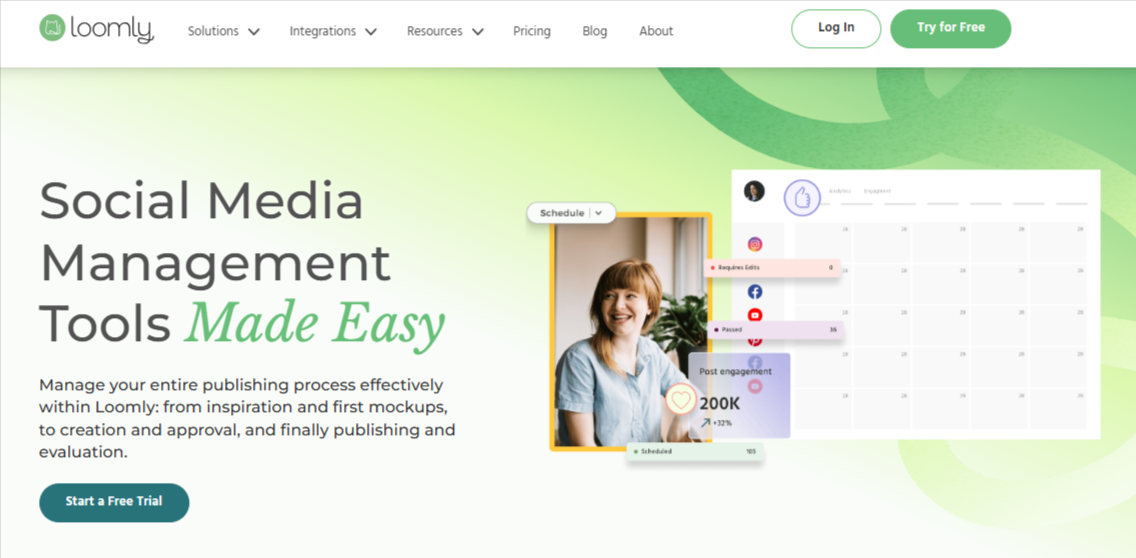
Loomly is a tool built for teams that want help coming up with content, not just scheduling it. It leans heavily into ideation, making it easier to stay consistent when you run out of ideas.
From what I’ve seen, it’s a good fit if you often find yourself stuck on “what should we post today?” It gives you a steady flow of suggestions and helps you turn them into scheduled posts quickly.
Key Features
- Content ideation tools: Loomly pulls ideas from trends, holidays, and online sources, then lists them in a dedicated Ideas tab. It’s surprisingly helpful when your content calendar feels empty.
- Multi-platform scheduling: You can publish across major platforms, including Snapchat, Threads, YouTube, and Google Business Profile. The drag-and-drop scheduler makes planning content easy.
- Engagement tools: Reply to comments and messages from one place. You can also assign conversations to team members and use saved replies to speed things up.
- Loomly Studio: A built-in editor that lets you tweak visuals before posting. You can adjust filters, colors, and other details without needing external tools.
Loomly Pricing
Loomly uses custom pricing, so you’ll need to contact their team for a quote. This can make it harder to compare upfront, especially if you’re trying to budget quickly.
My Experience with Loomly
Loomly is one of the better tools when it comes to content ideas. The Ideas tab is something I kept going back to. It takes away that pressure of starting from scratch, especially when managing multiple accounts.
Scheduling is smooth, and I like that it supports a wide range of platforms. But there are a few limitations. Media uploads can feel restricted, and some posting features, like Instagram Stories, aren’t as flexible as you’d expect.
However, it’s a solid choice if content planning and ideation are your biggest challenges.
5. Planable ($33/Month)
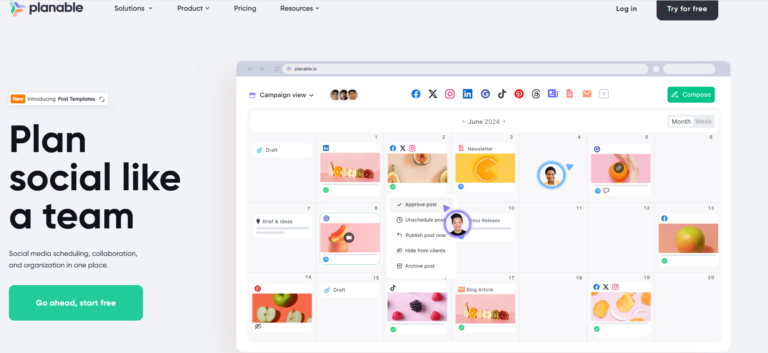
Planable is built with one thing in mind: making collaboration around content feel smooth. While some tools focus more on analytics, Planable leans into planning, reviewing, and getting content approved without chaos. It’s the kind of tool teams appreciate once content starts going through multiple hands. It keeps everything organized, clear, and easy to track.
Key Features
- Drag-and-drop scheduling: Planable’s calendar is fast and easy to use. You can move posts around in seconds and manage multiple accounts, including Google Business Profile, Threads, and YouTube.
- Advanced collaboration tools: This is where Planable really stands out. You can leave comments, suggest edits, and even annotate directly on posts. It feels more like working in a shared document than a typical scheduler.
- Multi-level approval workflows: You can set up structured approval steps. This is useful if content needs to pass through different teams before going live.
- Content organization and filters: Color-coded labels and detailed filters make it easy to manage large volumes of content without losing track.
- Dedicated content views: Switch between grid view (great for Instagram), feed view, or list view depending on what you’re working on.
Pricing
Planable starts at $33/workspace/month (billed annually). You can also schedule up to 50 posts for free, which is helpful for testing the platform before committing. Add-ons for engagement and analytics are available at extra cost.
My Experience with Planable
Planable feels like a collaboration tool first, and a scheduler second. The approval workflows are one of the best I’ve used. If you’re working with clients or multiple stakeholders, it keeps everything structured and avoids endless email threads.
I also liked how easy it was to review content visually, especially for Instagram. Seeing posts in grid view helps you spot issues before publishing.
The main limitation is publishing beyond social media. While you can plan blog content, you can’t publish directly to a CMS, which means an extra step in your workflow.
Still, if your biggest challenge is managing content approvals and teamwork, Planable does that better than most tools.
6. Sprout Social ($199/Month)
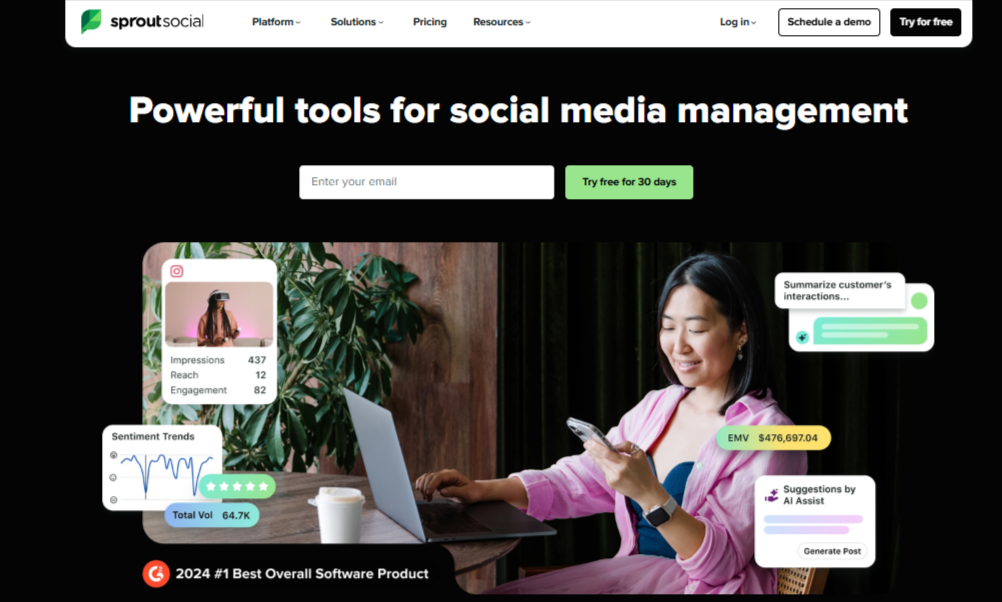
Sprout Social is a more advanced platform built for brands that take customer engagement seriously. It goes beyond basic scheduling and leans into customer care, reputation management, and deeper insights. The tool is less about just posting content and more about managing conversations, feedback, and brand perception across multiple channels.
Key Features
- Smart unified inbox: Sprout Social pulls in messages from more places than most tools. That includes LinkedIn, Threads, and even reviews from Google Business Profile and other platforms.
- Customer care tools: You get features like contact management, automated workflows, chatbots, and even surveys like NPS and CSAT to track customer satisfaction.
- Review management: Monitor and respond to reviews across platforms like Trustpilot, TripAdvisor, app stores, and more. Useful for brands that rely heavily on public feedback.
- Message spike alerts: The platform notifies you when there’s a sudden increase in mentions. This helps you react quickly before small issues turn into bigger ones.
- Analytics and reporting: Detailed reports give you a clear view of performance, engagement, and customer interactions.
Pricing
Sprout Social starts at $199 per user/month (billed annually). There’s also a 30-day free trial, which gives you time to explore the platform before committing. It’s one of the more expensive Dash Social alternatives on this list, especially for growing teams.
My Experience with Sprout Social
Sprout Social feels like a tool built for serious, large-scale operations. The inbox is one of the best I’ve used. Having messages, comments, and reviews all in one place makes it easier to manage brand communication without missing anything.
The customer care features also stand out. If you’re handling a lot of incoming messages or support requests, it can genuinely improve how your team works.
That said, it takes time to get used to. The platform has a lot going on, and the learning curve is real. It’s also not the most budget-friendly option.
7. Metricool ($18/Month)
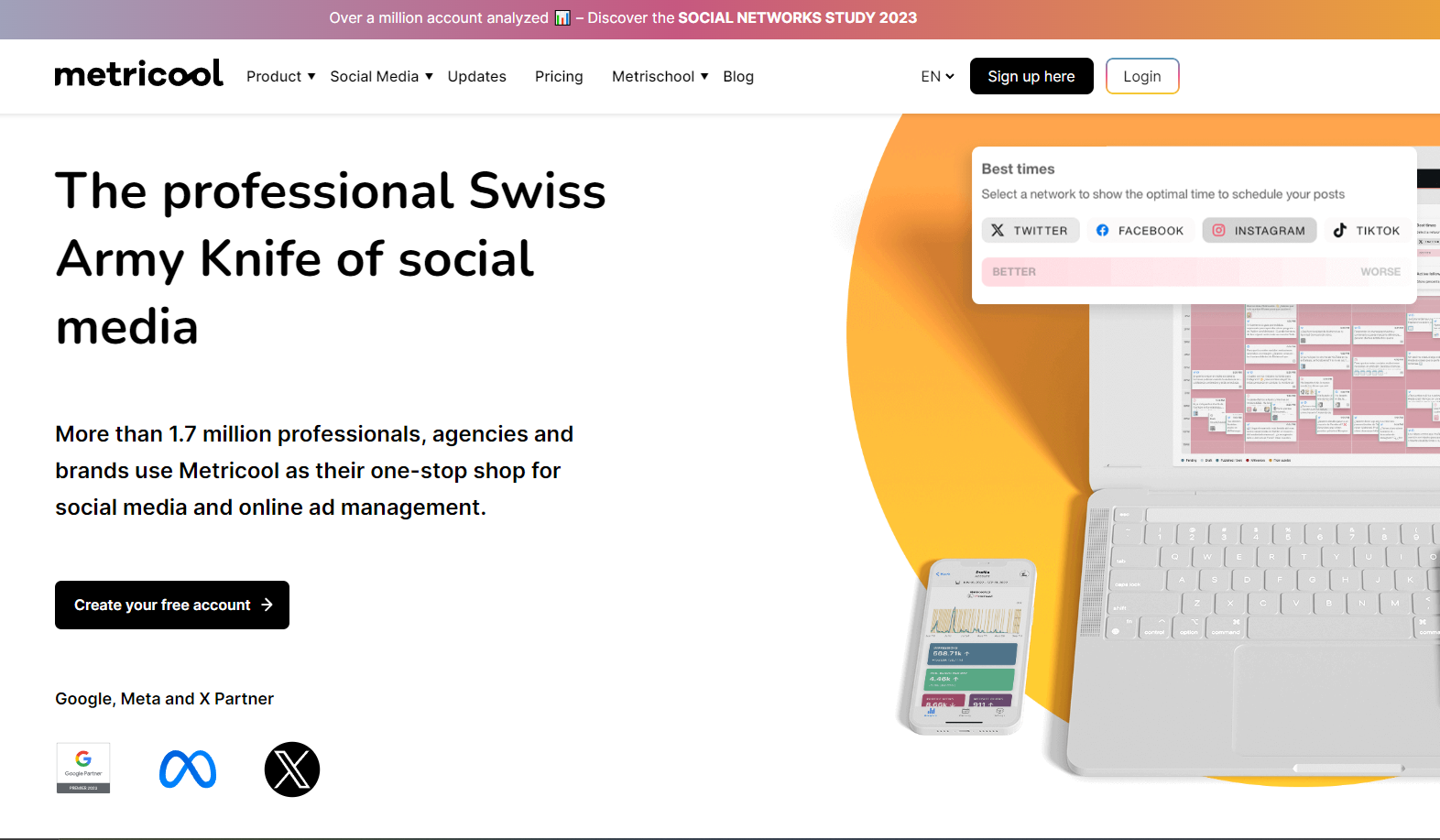
Metricool is built for people who want to see everything in one place. Not just social media, but also ads, website traffic, and overall performance. What makes it different is that it connects the dots between your content and your results. Instead of guessing what’s working, you can actually see how your posts, ads, and traffic all tie together.
Key Features
- All-in-one analytics: Metricool pulls data from social media platforms, websites, and ad channels like Google, Facebook, and TikTok. You get a full view of how your marketing is performing.
- Google Looker Studio integration: You can connect your data to Looker Studio and expand your reporting even further. This is useful if you like building custom dashboards.
- Competitor tracking: Track what your competitors are doing across platforms like Instagram, YouTube, Twitch, and X. You can see their top posts and compare performance side by side.
- Social media scheduler: Plan and auto-publish content across major platforms. It also suggests the best times to post based on your data.
- Ad management: Monitor and adjust your ad campaigns from one place. You can compare creatives and see what’s driving results without switching tools.
Pricing
Metricool starts at $18/month and also comes with a free plan, which is great for testing the platform or managing smaller accounts.
My Experience with Metricool
Metricool feels like a data-first tool. If you enjoy digging into numbers and understanding performance across channels, it’s a great fit. I liked how it combines organic and paid data in one place. It gives you a clearer picture of what’s actually driving results.
The competitor tracking is also useful. It’s one of those features you don’t realize you need until you start using it.
That said, the dashboard can feel a bit busy at times. There’s a lot of information, and it can take a while to get comfortable with it. Overall, it’s a strong option if analytics and performance tracking are your main focus.
8. Publer ($4/Month)
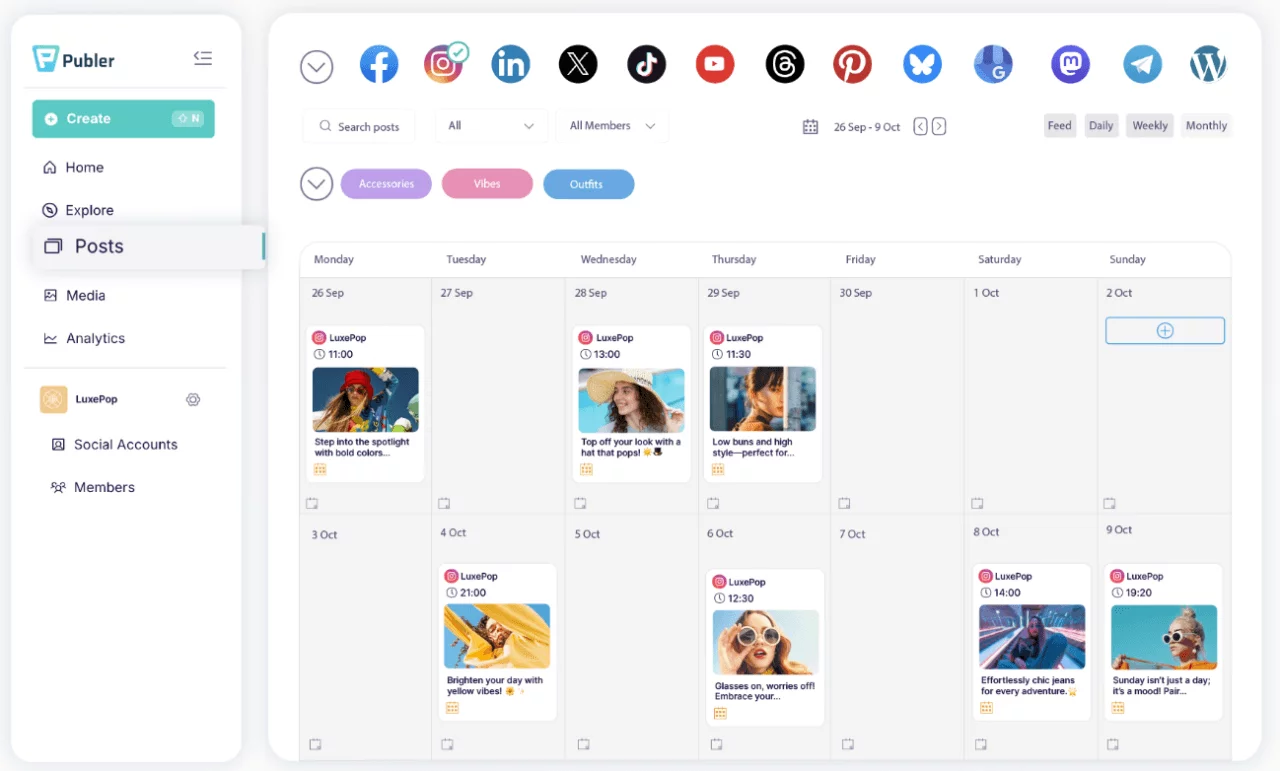
Publer is a flexible tool that blends social media scheduling with content repurposing. One thing that makes it stand out straight away is its WordPress integration.
That means you can publish blog content and then quickly turn it into social posts, all from one place. If you run a content-heavy strategy, this can save a lot of time.
Key Features
- WordPress integration: You can publish blogs and then reuse that content across your social channels. It’s a simple way to keep your content working longer.
- Advanced scheduling tools: Recurring posts, queues, and bulk scheduling are all included. You can plan content once and let it run without constant updates.
- AI content assistant: Publer helps you generate captions, replies, and variations of existing posts. It’s useful when you want to repurpose content quickly.
- Analytics and reporting: Track performance across platforms and identify your best-performing posts. You can also integrate with Google Analytics to monitor blog traffic.
- Content curation tools: Discover trending or user-generated content to share, or connect RSS feeds to automate blog distribution.
Pricing
Publer starts at $4/month for one social account and one user. There’s also a free plan, which is good for testing the platform. But keep in mind that costs increase as you add more users and accounts.
My Experience with Publer
Publer is one of those tools that gives you a lot for a low starting price. The WordPress integration stood out to me. If you’re running a blog alongside your social channels, it makes repurposing content much easier.
Scheduling is also solid. The recurring posts feature is especially useful for evergreen content. The downside is how pricing scales. Once you start adding more accounts or team members, the cost can climb quickly.
Still, for individuals or small teams focused on content repurposing, it’s a strong option.
9. Agorapulse ($69/Month)
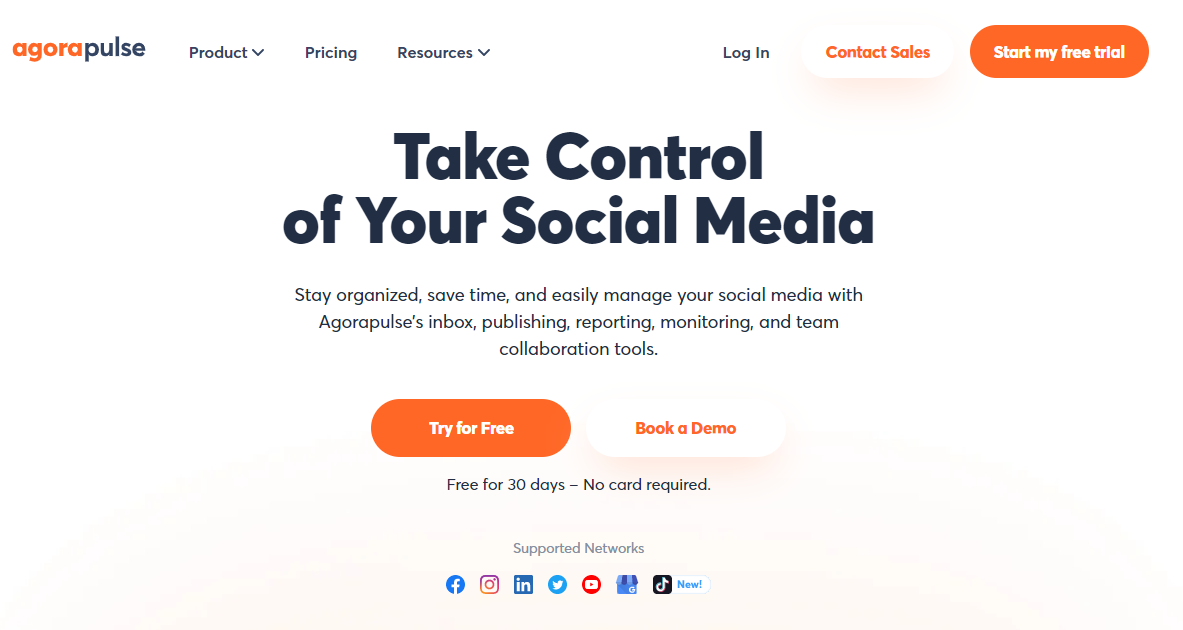
Agorapulse is a tool that puts engagement front and center. While many platforms focus on scheduling first, Agorapulse is built around managing conversations and keeping your inbox under control.
From what I’ve seen, it works best for brands that get a steady stream of comments, messages, and mentions and need a clean way to stay on top of it all.
Key Features
- Unified social inbox: Agorapulse pulls in comments, mentions, messages, and even ad comments into one place. This makes it easier to respond quickly without missing anything.
- Inbox automation and moderation: You can set rules to automatically filter, assign, or tag messages. It’s useful when handling high volumes of interactions.
- Collision detection and saved replies: Avoid multiple team members replying to the same message. You can also use saved replies to speed up responses.
- Scheduling and publishing: Plan and publish content across platforms like Facebook, Instagram, LinkedIn, TikTok, and YouTube. The calendar is simple and easy to manage.
- Social listening: Track brand mentions and keywords so you can stay aware of what people are saying about your business.
- Analytics and reporting: Get clear reports on performance, engagement, and response times.
Pricing
Agorapulse pricing typically starts at around $69/month (billed annually), depending on features and users. There’s also a free trial, so you can test the platform before committing.
My Experience with Agorapulse
Agorapulse feels like a tool built for teams that deal with a lot of engagement. The inbox is one of its strongest features. Everything comes into one place, and the automation tools help keep things organized without extra effort.
I also liked the moderation rules. They save time when you’re dealing with repetitive messages or spam. On the downside, the interface can feel a bit structured. It’s not as flexible or fast-moving as some newer tools, especially when it comes to content planning.
Still, if your focus is managing conversations and keeping your inbox under control, Agorapulse does that really well.
How to Choose the Best Dash Social Alternative
Picking a new social media tool can feel overwhelming. Most of them promise the same things on the surface. But once you start using them daily, the differences become obvious. Here are a few things I will recommend you consider before settling on any tool.
The platforms you actually use
Start with the basics. Does the tool support all the platforms you post on?
Some tools let you track performance on certain channels, but won’t let you publish there. That split can slow things down. If you’re active on newer platforms like Threads or Bluesky, this matters even more. A good alternative should let you manage everything from one place.
How easy it is to schedule content
You’ll be using the scheduler a lot. So it needs to feel simple. Look for features like bulk scheduling, drag-and-drop calendars, and content queues. These small things make a big difference when you’re planning weeks of content at once.
Collaboration and approvals
If you work alone, this might not be a big deal. But for teams, it’s huge. You want clear approval steps, user roles, and an easy way to review content before it goes live. Without this, things can get messy quickly. Posts go out without approval, feedback gets lost, and timelines slip.
Analytics that actually help
Most tools offer analytics, but not all of them are useful. You want reports that are easy to understand and help you make decisions. Things like best posting times, top-performing content, and audience insights should be easy to find.
Pricing that makes sense as you grow
This is where many tools fall short. Some start affordable but become expensive as you add more users or accounts. Others are expensive from day one. Look at how pricing scales. A good tool should grow with you, not hold you back.
At the end of the day, the “best” Dash Social alternative depends on how you work.
If you focus on content, go for something strong in scheduling and ideation. If you manage a team, prioritize collaboration. And if data drives your decisions, pick a tool with solid analytics.
Get those basics right, and everything else becomes easier.