Facebook Marketing: The Complete Guide to Growing Your Brand in 2026
New social media platforms seem to appear every year. Some explode in popularity, while others quietly fade away. Yet through all the changes, Facebook has remained one of the most powerful marketing platforms available to businesses.
And the numbers explain why. Facebook continues to attract more than 3 billion monthly active users worldwide, making it the largest social network on the planet. More importantly, people aren’t just scrolling. They’re discovering brands, joining communities, researching products, reading reviews, and making purchasing decisions every day.
For businesses, that creates a huge opportunity no matter what you’re trying to achieve. In this guide, we’ll walk through everything you need to know about Facebook marketing, from the basics to the strategies successful brands use to grow their presence and reach the right audience consistently.
Table of Contents
- 1 What Is Facebook Marketing?
- 2 Why Facebook Marketing Is Still Worth Your Attention
- 3 How to Use Facebook Marketing
- 4 Facebook Content Formats Every Brand Should Be Using
- 5 How to Create a Facebook Marketing Strategy That Works
- 5.1 1. Set Clear Goals Before You Post Anything
- 5.2 2. Define Exactly Who You’re Trying to Reach – Your Target Audience
- 5.3 3. Build a Content Calendar You Can Actually Stick To
- 5.4 4. Combine Organic Content with Facebook Advertising
- 5.5 5. Post When Your Audience Is Actually Online
- 5.6 6. Use Automation and Chatbots to Improve Customer Experience
- 5.7 7. Plan and Schedule Content in Advance
- 5.8 8. Build Conversations, Not Just Content
- 5.9 9. Measure, Learn, and Improve
- 6 3 Facebook Marketing Examples Worth Learning From
- 7 Facebook Marketing FAQs
What Is Facebook Marketing?
Facebook marketing is the process of using Facebook to promote your business, connect with potential customers, and grow your brand online.
It typically starts with a Facebook Business Page, which acts as a central hub where people can learn about your company, interact with your content, browse your products or services, and even contact you directly. In many ways, a well-optimized Facebook Page functions like a second website for your business.
But Facebook marketing goes far beyond simply posting updates.
Businesses can use a combination of organic content and paid advertising to reach their ideal audience through photos, videos, carousels, Stories, Reels, and more.
When done strategically, Facebook can support the entire customer journey. From helping people discover your brand for the first time to nurturing relationships, generating sales, and turning customers into loyal advocates, all within a single platform.
Why Facebook Marketing Is Still Worth Your Attention
Facebook has been around for a long time, but it continues to deliver results for businesses of all sizes. Whether you’re trying to build awareness, generate leads, or drive sales, the platform offers opportunities that many brands still underestimate.
So, in case you are still wondering if Facebook deserves a place in your marketing strategy at all, here are some benefits it delivers to brand owners.
1. Increase Your Brand Visibility
One of Facebook’s biggest strengths is its massive audience.
People don’t just use Facebook to keep up with friends and family. They also use it to discover businesses, research products, ask questions, read reviews, and interact with brands they trust.
That means your business has the opportunity to appear in front of potential customers at multiple stages of their journey.
Some users may discover you through a shared post. Others might come across your Page while researching solutions to a problem. Some may even find your business through a recommendation from a friend.
The more consistently your brand appears in these moments, the more familiar and trustworthy it becomes. And in marketing, familiarity often leads to action.
2. Create Content That Encourages Real Engagement
Facebook gives businesses plenty of ways to connect with their audience beyond simple status updates.
You can share:
- Videos
- Reels
- Stories
- Images
- Polls
- Carousels
- Customer testimonials
- User-generated content
This flexibility allows you to experiment and discover what resonates most with your audience.
For example, a restaurant might showcase new menu items through short videos. A software company could share customer success stories. An online retailer might use carousel posts to highlight a new collection.
The best part is that engagement on Facebook often creates a ripple effect. Every comment, share, and reaction increases the chances of your content reaching even more people.
3. Reach the Right People More Precisely
Getting your message in front of the right audience is often more important than reaching a large audience.
This is where Facebook shines.
The platform provides detailed audience targeting options that allow businesses to reach people based on factors such as location, age, interests, behaviors, lifestyle preferences, and even past interactions with their brand.
Instead of showing your content to everyone, you can focus on the people most likely to care about what you offer.
You can target local customers, specific professions, particular interest groups, or people who have already visited your website. This level of precision helps improve engagement, reduce wasted ad spend, and generate better results from your marketing efforts.
4. Turn Facebook Into a Sales Channel
Many businesses still think of Facebook as a place for posting updates and building awareness.
But it can also become a powerful sales channel.
With Facebook Shops, businesses can showcase products directly on the platform, making it easier for people to browse, discover, and purchase without jumping through multiple hoops. If your business also has an Instagram presence, you can connect the two and create a seamless shopping experience across both platforms.
This is especially valuable because customers often want convenience. The fewer steps between discovering a product and making a purchase, the higher the chances of conversion.
Even if you’re not running a full ecommerce store, Facebook can help generate leads, collect inquiries, drive traffic to product pages, and nurture potential buyers through Messenger conversations and retargeting campaigns. In other words, it’s not just a marketing platform. It’s a revenue-generating one.
5. Measure What Works and Improve Faster
One of the biggest advantages of Facebook marketing is that you’re not left guessing.
The platform provides detailed analytics that help you understand exactly how your content and campaigns are performing. Instead of relying on assumptions, you can make decisions based on real data.
For example, Facebook allows you to track:
- Post reach and impressions
- Engagement levels
- Page growth
- Video performance
- Website clicks
- Ad performance
- Conversion activity
Over time, these insights reveal valuable patterns.
You may discover that videos consistently outperform images. Certain topics may generate more comments than others. Specific posting times might result in higher engagement. Small discoveries like these can have a major impact on your overall results.
For businesses investing in Facebook ads, the data becomes even more valuable. You can see which campaigns generate leads, which audiences convert best, and where your advertising budget delivers the highest return.
The result is a marketing strategy that becomes smarter over time because every post, campaign, and interaction gives you more information to work with.
How to Use Facebook Marketing
Getting results from Facebook marketing starts with two essentials: a Facebook Business Page and a Facebook Ad Account.
Think of your Business Page as your brand’s home on Facebook, while your Ad Account gives you access to Facebook’s powerful advertising tools that help you reach new audiences and grow your business.
Let’s walk through how to set both up properly.
Step 1: Create Your Facebook Business Page
Your Facebook Page is often one of the first places potential customers will visit when they discover your brand. That’s why it’s worth spending a little extra time getting it right.
Create a Dedicated Business Page
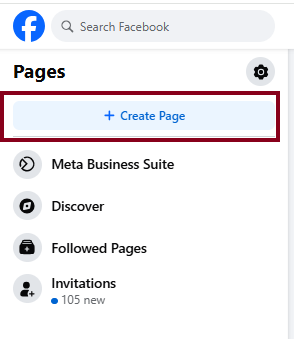
Log in to Facebook and navigate to the Pages section.
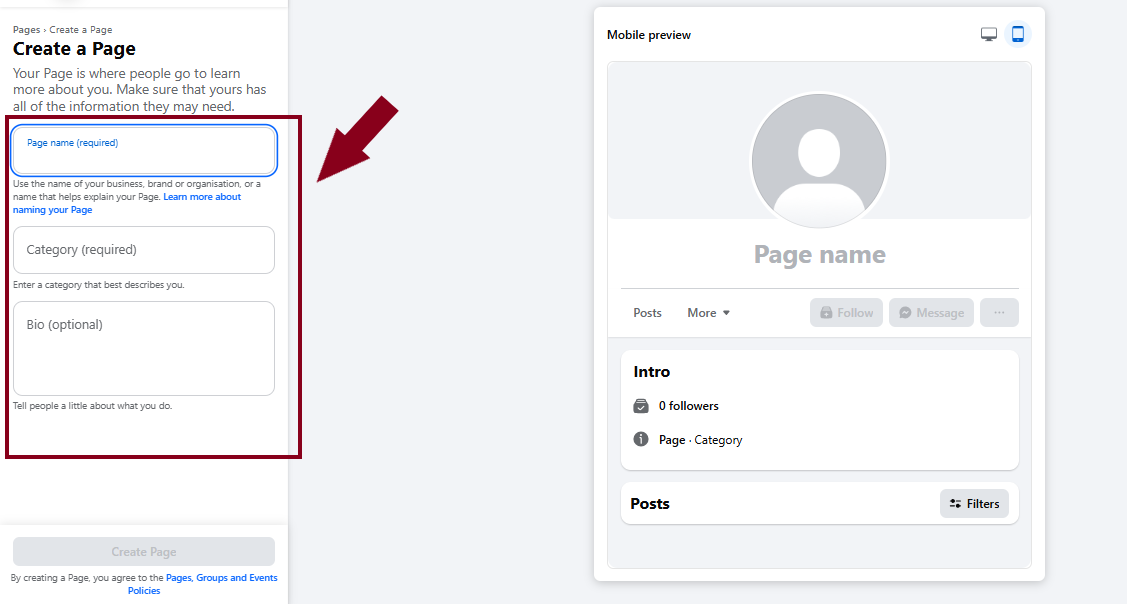
Click Create New Page and enter your business name. Choose the category that best describes your business so Facebook can understand who you are and who may be interested in your content.
Keep your Page name consistent with your brand name to make it easy for customers to find you.
Add a Strong Business Description
Next, complete your Page’s bio and description. This is your opportunity to quickly explain:
- What your business does
- Who you help
- What makes you different
- Why someone should follow your Page
Keep it clear, concise, and focused on customer value.
Add Your Contact Information
Make it easy for people to reach you. So, include relevant details such as website URL, business email, phone number, physical address (if applicable), and business hours.
Many customers use Facebook as a customer service channel, so accurate contact information is important.
Customize Your Branding
Now it’s time to make your Page look professional. Start by uploading a profile photo (typically your logo) and then a cover image that reflects your brand identity.
Your visual branding should be consistent across all social media channels so customers instantly recognize your business wherever they encounter it.
You can also add action buttons such as:
- Shop Now
- Contact Us
- Book Now
- Send Message
- Visit Website
These small additions can significantly improve conversions and engagement.
Step 2: Set Up Your Facebook Ad Account
Once your Business Page is ready, you’ll need an advertising account to run Facebook and Instagram campaigns.
This is managed through Meta Business Suite.
Connect Your Facebook Page
Inside Meta Business Suite, navigate to the Pages section and add the Facebook Page you just created.
This links your Page to your business assets and prepares it for advertising.
Create a New Ad Account
Next, go to the Ad Accounts section and select Create Ad Account.
If you already manage other advertising accounts, you’ll see an option to add an additional account.
Facebook allows businesses to create multiple ad accounts, although limits may vary depending on account history and advertising activity.
Configure Your Account Settings
You’ll be asked to enter:
- Ad account name
- Time zone
- Currency
- Payment method
Choose settings carefully because they affect reporting and billing.
Finally, link your new ad account to your Facebook Business Page.
Once connected, you’ll be ready to create campaigns, build audiences, track performance, and start reaching potential customers across both Facebook and Instagram.
Facebook Content Formats Every Brand Should Be Using
One of the biggest mistakes businesses make on Facebook is relying on a single type of content.
If every post looks the same, your audience eventually stops paying attention.
The most successful brands keep their feeds fresh by mixing different content formats. Each format serves a different purpose, appeals to different audience preferences, and creates new opportunities for engagement.
Here are the main Facebook post types worth including in your strategy.
Text Posts

Sometimes the simplest content performs surprisingly well.
Text-only posts are great for sharing quick updates, asking questions, starting discussions, or sharing opinions. Because they don’t immediately send users away from Facebook, they often encourage more comments and conversations.
For example, you might ask:
“What’s the biggest challenge you’re facing with social media right now?”
Or share a short lesson you’ve learned from running your business.
Simple posts like these can generate valuable engagement while helping you learn more about your audience.
Image Posts
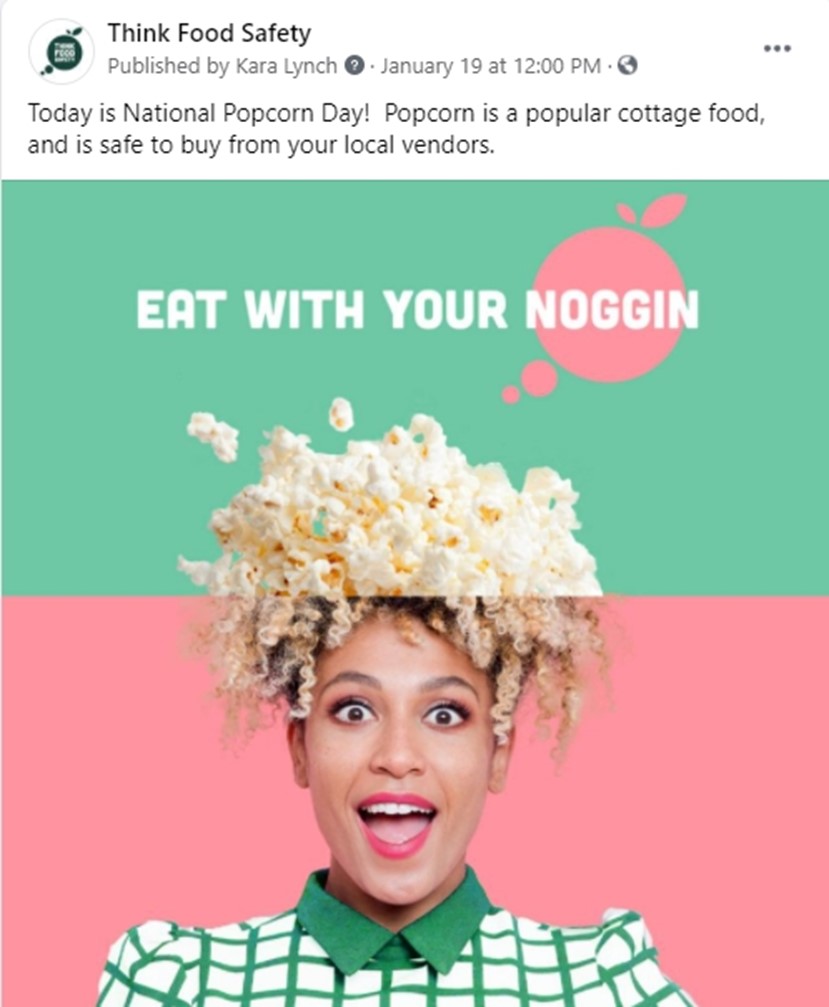
Images remain one of the most versatile content formats on Facebook. A single image can showcase:
- New products
- Customer success stories
- Company milestones
- Team members
- Events
- Behind-the-scenes moments
Visual content helps break up the feed and gives people something quick and easy to engage with. The key is to use high-quality images that support your message rather than posting visuals simply for the sake of posting.
Video Content

Video continues to be one of the strongest-performing content formats on Facebook.
It allows you to educate, entertain, and connect with your audience in ways that static content often can’t.
Businesses commonly use videos for product demonstrations, tutorials, customer testimonials, interviews, industry insights, company updates, and more.
Video helps audiences get to know your brand on a deeper level and can significantly increase watch time and engagement when done well.
Facebook Stories
Stories offer a more casual way to stay visible. Because they disappear after 24 hours, they feel more immediate and less polished than traditional feed posts.
Many brands use Stories to share daily updates, limited-time promotions, quick tips, polls and questions, and behind-the-scenes content
Stories are particularly useful because they allow you to stay in front of your audience without competing directly for space in the main news feed.
Facebook Reels

If you’re looking to increase reach, Reels deserve special attention.
These short-form vertical videos are heavily promoted by Meta and often reach people who don’t already follow your Page.
The best Reels are usually short, entertaining, educational, and easy to consume quickly.
You can use Reels to share quick tips, answer common questions, showcase products, reveal behind-the-scenes moments, or participate in relevant trends.
For many businesses, Reels have become one of the fastest ways to attract new followers and expand brand awareness.
How to Create a Facebook Marketing Strategy That Works
Posting randomly and hoping for results isn’t a Facebook marketing strategy.
The brands that consistently grow on Facebook usually follow a plan. They know what they want to achieve, who they’re trying to reach, and how they’ll measure success along the way.
1. Set Clear Goals Before You Post Anything
One of the biggest mistakes businesses make is jumping straight into content creation without deciding what success actually looks like.
Before you create posts, run ads, or build campaigns, ask yourself:
What do I want Facebook to help my business achieve?
Your answer will shape everything that follows.
For example, your goals might be to:
- Increase brand awareness
- Generate more leads
- Drive website traffic
- Improve customer engagement
- Build customer loyalty
- Increase product sales
- Recruit new talent
Each goal requires a slightly different approach.
If you’re focused on awareness, you may prioritize reach, video views, and shareable content. If your goal is sales, you’ll likely focus more on targeted advertising, lead generation, and conversion campaigns.
The important thing is to choose goals that are specific and measurable. That way, you’ll know whether your strategy is actually working or simply keeping you busy.
2. Define Exactly Who You’re Trying to Reach – Your Target Audience
Facebook gives businesses access to billions of users.
That’s incredible.
But it’s also dangerous because trying to market to everyone usually means connecting with no one.
The more clearly you understand your audience, the more effective your Facebook marketing becomes. So, start by identifying:
- Age range
- Location
- Interests
- Profession
- Challenges
- Goals
- Buying habits
Facebook’s Audience Insights and advertising tools can provide valuable information about the people already engaging with your Page. You’ll be able to see patterns in demographics, behavior, interests, and content preferences.
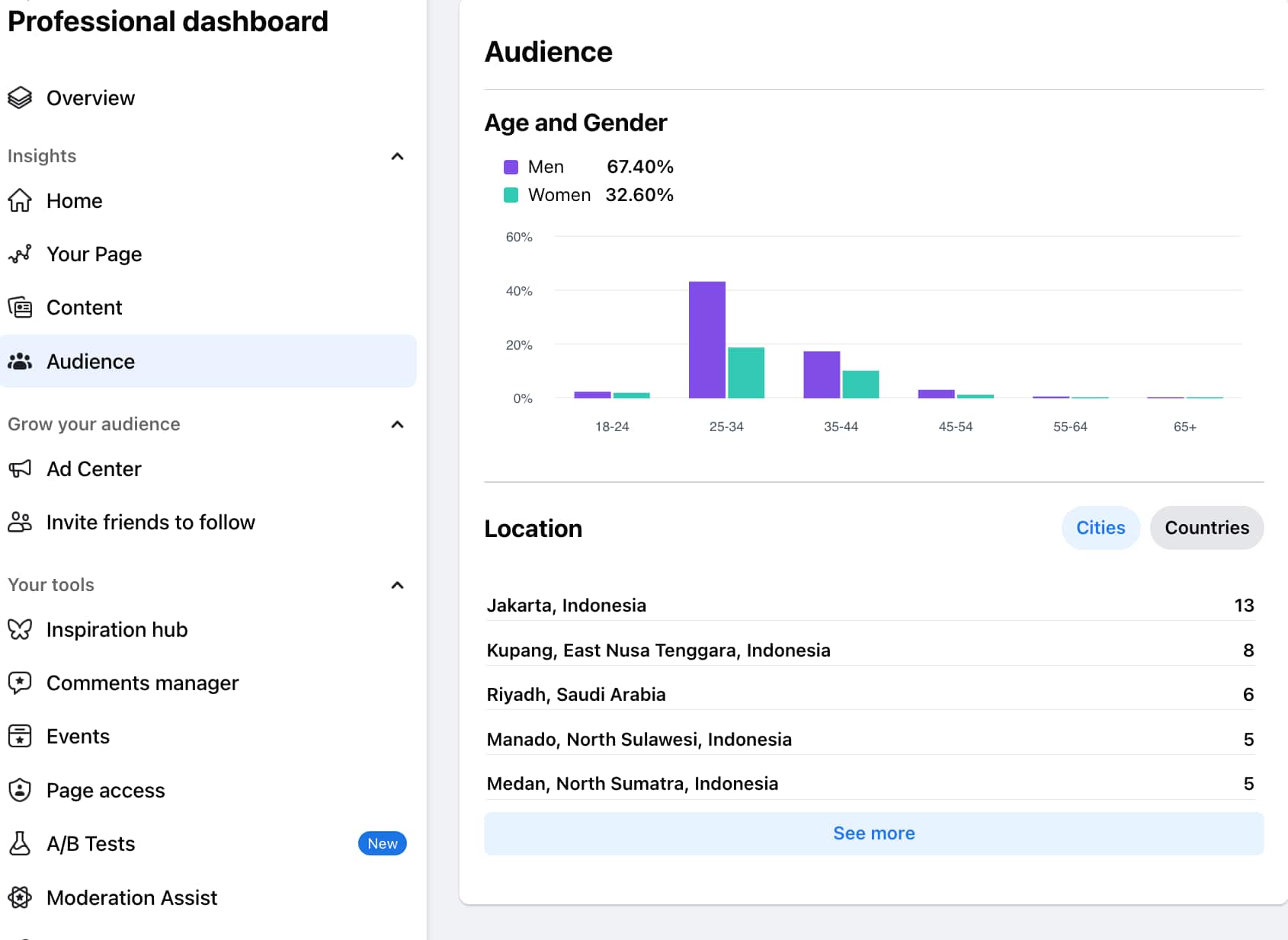
This information helps you create content that feels relevant rather than generic.
You can also use Facebook’s audience tools to create:
- Custom Audiences based on existing customers
- Lookalike Audiences that resemble your current audience
- Saved Audiences for future campaigns
- Highly targeted segments based on interests and behaviors
The better you understand who you’re speaking to, the easier it becomes to create content, ads, and offers that resonate with them.
And when your message reaches the right people, everything from engagement to conversions tends to improve.
3. Build a Content Calendar You Can Actually Stick To
One of the fastest ways to fail at Facebook marketing is to post only when you remember.
Consistency matters.
That doesn’t mean posting five times a day. It means showing up regularly with content your audience finds useful, interesting, or entertaining.
The easiest way to do that is by creating a content calendar.
A content calendar helps you plan ahead, maintain consistency, and avoid the constant stress of figuring out what to post every morning. It also ensures you’re creating a healthy mix of content rather than posting the same thing repeatedly.
For example, your weekly schedule might include:
- Educational tips on Mondays
- Customer stories on Wednesdays
- Behind-the-scenes content on Fridays
- Reels throughout the week
- Stories daily
The goal is variety.
Facebook rewards content that keeps people engaged, and your audience is more likely to stay interested when they see different types of posts appearing in their feed.
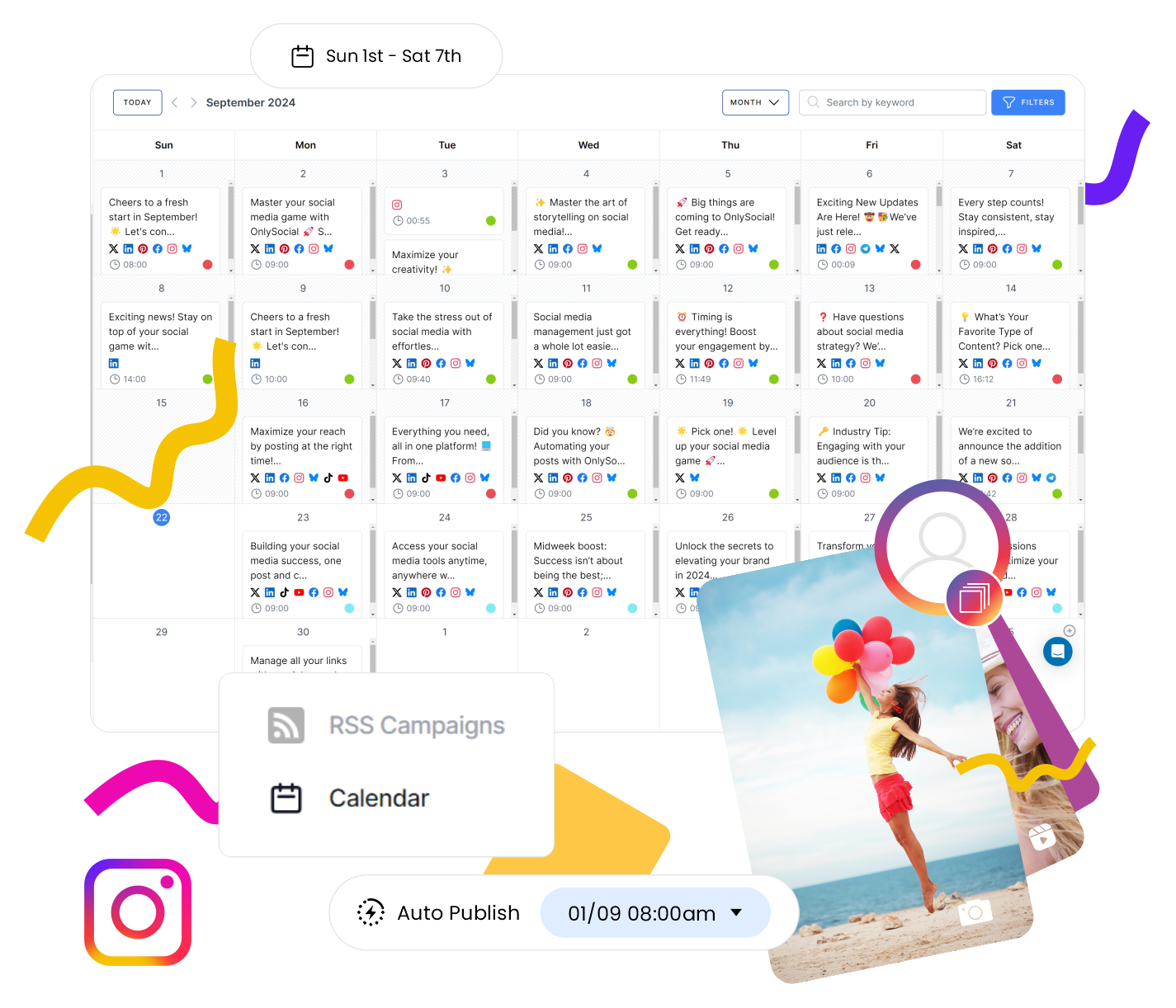
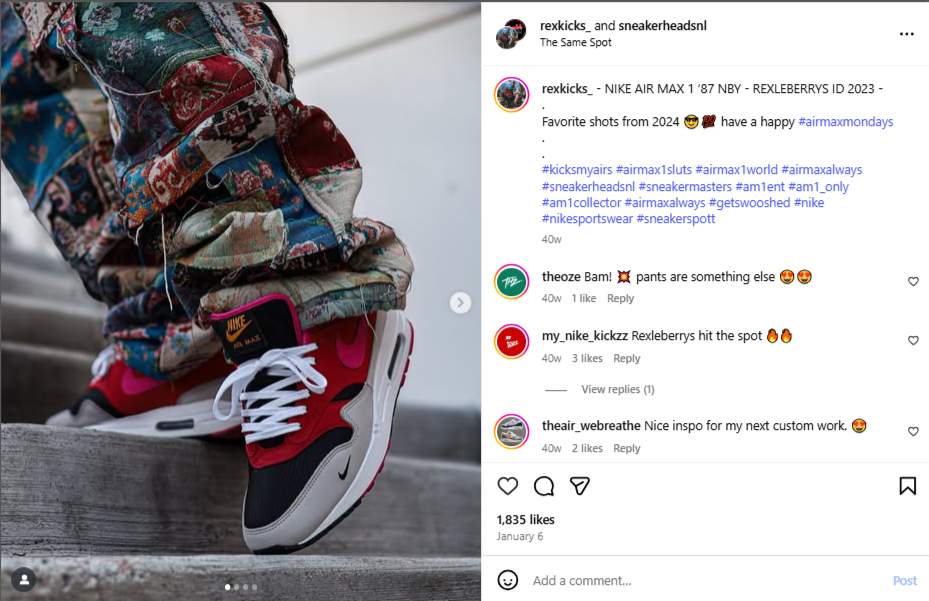
You should also look for opportunities to involve your audience directly. User-generated content, customer photos, polls, questions, and discussions often generate some of the highest engagement because people enjoy being part of the conversation rather than simply consuming content.
And whenever you’re running low on ideas, take a look at successful brands in your industry. Not to copy them, but to understand what kinds of content resonate with your shared audience.
4. Combine Organic Content with Facebook Advertising
Organic content helps you build relationships.
Facebook ads help you accelerate growth.
The strongest Facebook marketing strategies use both.
While your organic content keeps your audience engaged and nurtures existing followers, Facebook advertising allows you to reach new people who may never have discovered your business otherwise.
A good starting point is boosting high-performing posts.
If a particular post is already attracting strong engagement organically, boosting it can help you extend its reach to a larger audience. This is often one of the easiest ways to get additional value from content that’s already proven successful.
As your strategy matures, you can move into more advanced Facebook advertising campaigns focused on specific objectives such as:
- Brand awareness
- Website traffic
- Lead generation
- Product sales
- Event registrations
- App downloads
The key is to start with a clear goal. Every ad should answer four simple questions:
Who are we targeting?
What value are we offering?
Why should people care?
What action do we want them to take?
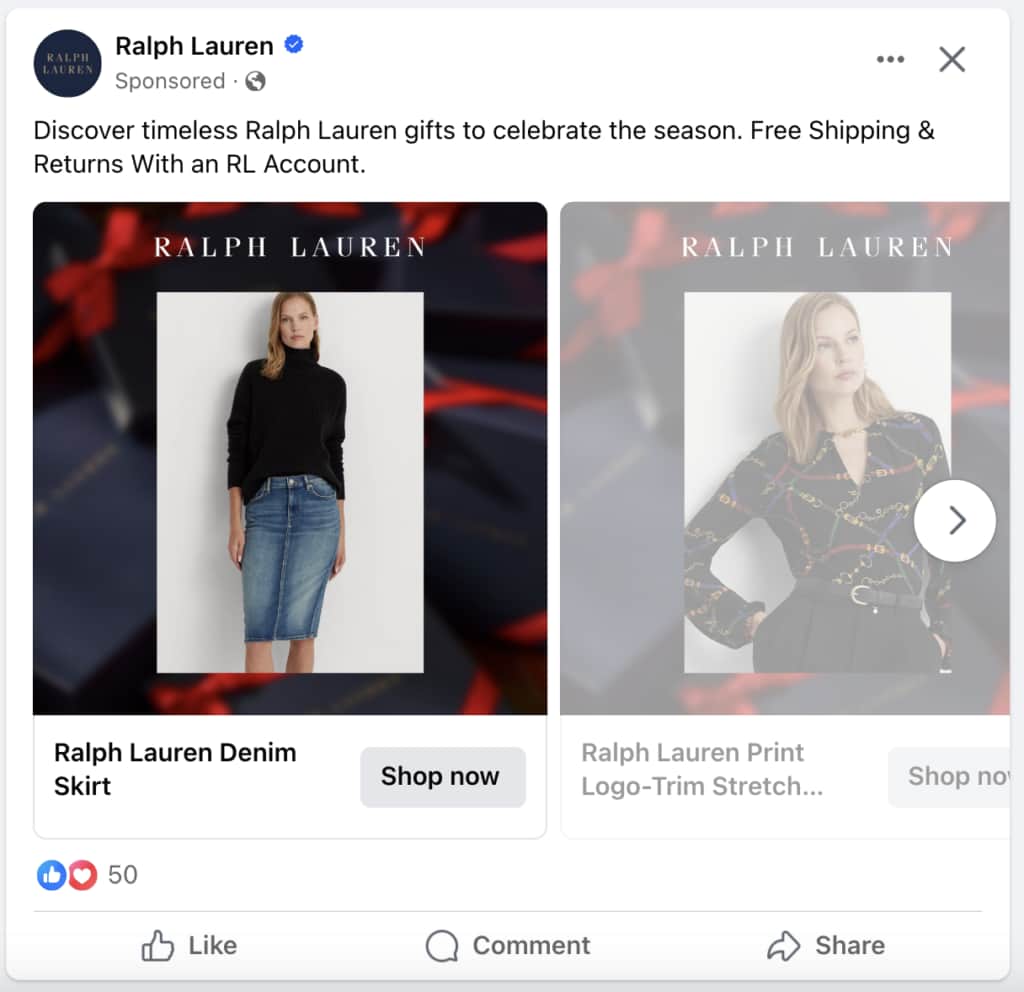
Strong visuals, compelling copy, and a clear call-to-action can make a significant difference to campaign performance.
And don’t worry about getting everything perfect from day one.
Facebook advertising works best when you continuously test audiences, creatives, offers, and messaging. Over time, the data will reveal what resonates most with your audience, allowing you to improve results while making your advertising budget work harder.
5. Post When Your Audience Is Actually Online
Even the best Facebook post can struggle if nobody sees it. This means timing matters.
Your audience is not active 24 hours a day, and posting at the wrong time can significantly reduce your reach and engagement. That’s why one of the smartest things you can do is identify when your followers are most likely to be scrolling, interacting, and clicking.
Facebook Insights can help uncover these patterns, but if you want to make the process even easier, OnlySocial’s analytics tools can help you identify your best posting times across Facebook and other social platforms from a single dashboard.
Instead of guessing, you’ll be able to schedule content when your audience is most likely to engage, helping every post work harder for your business.
6. Use Automation and Chatbots to Improve Customer Experience
Today’s customers expect quick responses. In fact, many people expect brands to reply within hours, not days.
The challenge is that responding to every message manually can quickly become overwhelming as your audience grows.
That’s where automation comes in.
Facebook chatbots can handle common questions automatically, helping customers get answers immediately while freeing up your team to focus on more complex conversations.
For example, a chatbot can help visitors:
- Find product information
- Check pricing
- View business hours
- Track orders
- Get support resources
- Book appointments
Beyond customer service, automation can also support marketing efforts by guiding users toward relevant products, collecting leads, or delivering helpful resources based on customer interests.
This will often result in a faster, smoother experience for your audience and less manual work for your team.
7. Plan and Schedule Content in Advance
One of the biggest differences between successful Facebook marketers and everyone else is planning.
Businesses that consistently publish great content rarely create everything at the last minute.
Instead, they work from a content calendar.
A content calendar helps you:
- Maintain consistency
- Balance different content types
- Plan campaigns ahead of time
- Spot content gaps
- Stay organized during busy periods
This becomes especially valuable during product launches, promotions, holidays, and seasonal campaigns when things can quickly become hectic.
Using OnlySocial, you can plan, create, and schedule your Facebook posts weeks or even months in advance. You can also manage multiple social media platforms from the same dashboard, eliminating the need to jump between different tools.
Better yet, scheduling content in batches gives you more time to focus on strategy, customer engagement, and business growth instead of constantly worrying about what to post next.
8. Build Conversations, Not Just Content

Facebook was built for interaction. Yet many brands still treat it like a digital billboard.
The most successful Facebook pages don’t simply publish content. They create conversations.
Ask questions. Start discussions. Run polls. Respond to comments. Celebrate customer wins. Invite opinions.
The more people interact with your content, the stronger your community becomes.
When customers feel heard, they’re more likely to trust your brand, recommend it to others, and remain loyal over time.
Remember, engagement isn’t something that happens after you publish a post. It should be part of the strategy from the beginning.
9. Measure, Learn, and Improve
The best Facebook marketers don’t rely on assumptions.
They rely on data.
Once your strategy is running, regularly review your performance to understand what’s working and what isn’t.
Pay attention to metrics such as:
- Reach
- Engagement
- Click-through rates
- Follower growth
- Leads generated
- Sales and conversions
Over time, patterns will emerge.
You may discover that videos outperform images. Certain topics may consistently generate more engagement. Some posting times may produce better results than others.
3 Facebook Marketing Examples Worth Learning From
Sometimes the easiest way to improve your Facebook strategy is to study brands that are already doing it well.
Like we said earlier, the goal isn’t to copy them. It’s to understand why their content works, how they engage their audience, and what lessons you can apply to your own marketing efforts.
Here are three brands that consistently get Facebook marketing right.
2. Sephora
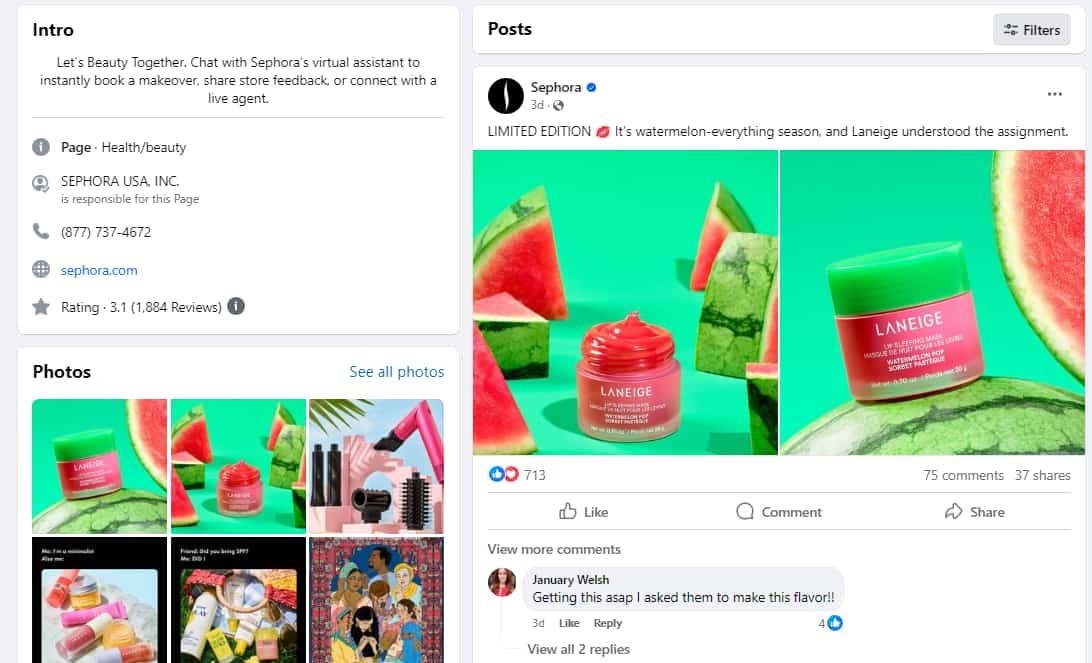
Sephora has mastered the art of keeping its audience involved.
Its Facebook page combines product content, tutorials, influencer collaborations, beauty tips, polls, quizzes, and customer conversations. Instead of treating Facebook as a broadcasting channel, Sephora uses it as a place to build an active community around beauty and self-expression.
The brand also excels at customer service. Questions are answered quickly, conversations are encouraged, and followers are regularly invited to participate.
This keeps engagement levels high while strengthening customer loyalty.
What brands can learn from Sephora:
- Educational content builds trust
- Interactive content encourages participation
- Influencer partnerships can expand reach
- Fast responses improve customer experience
People are more likely to engage with brands that make them feel involved rather than simply marketed to.
BMW
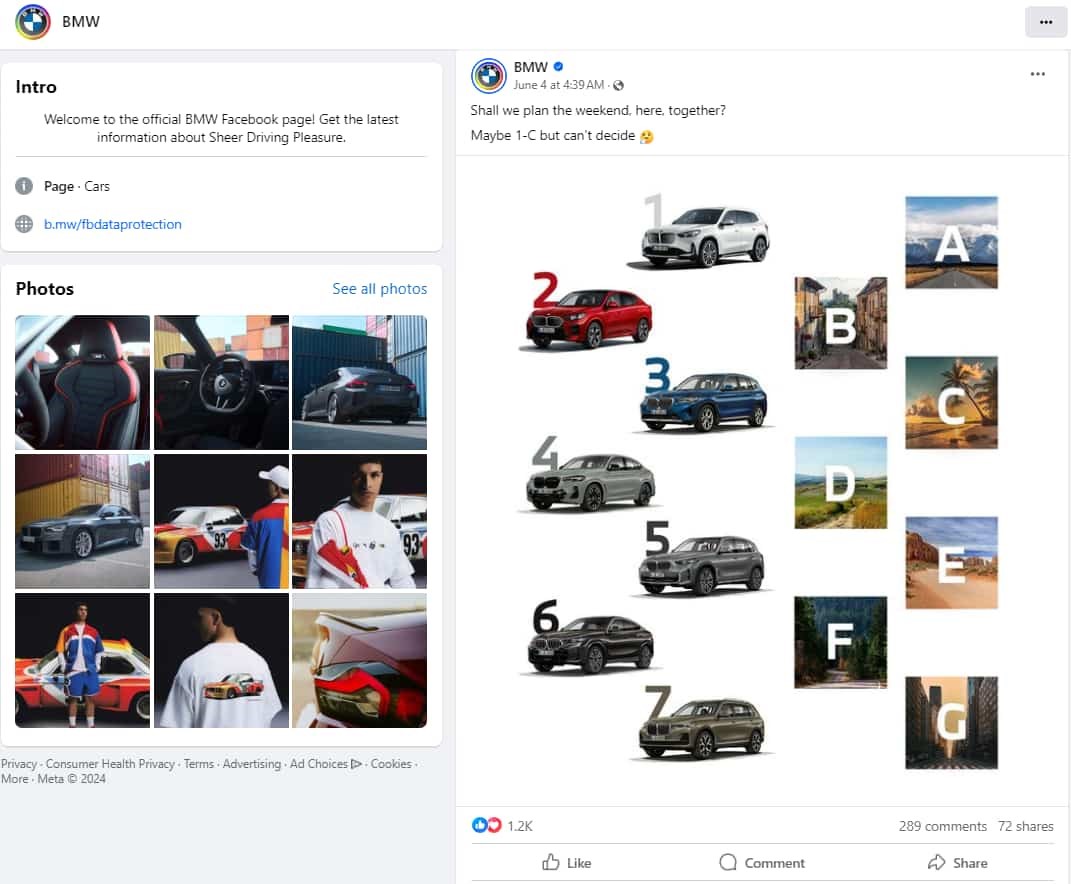
Few brands understand the power of visual content like BMW. And right now, they have more than 20 million followers on their page.
Their Facebook presence is built around stunning imagery, product showcases, customer content, and stories that highlight the lifestyle associated with the brand. Instead of constantly selling, they focus on creating desire and excitement around their vehicles.
You’ll also notice that BMW frequently incorporates customer photos, event coverage, and community interactions into its content strategy. This helps the brand feel less corporate and more connected to its audience.
What brands can learn from BMW:
- High-quality visuals grab attention instantly
- User-generated content builds credibility
- Lifestyle-focused content often outperforms direct sales content
- Consistent branding makes every post recognizable
You don’t need a luxury car budget to apply this lesson. Even small businesses can use strong visuals and customer content to tell compelling stories.
3. Pizza Hut
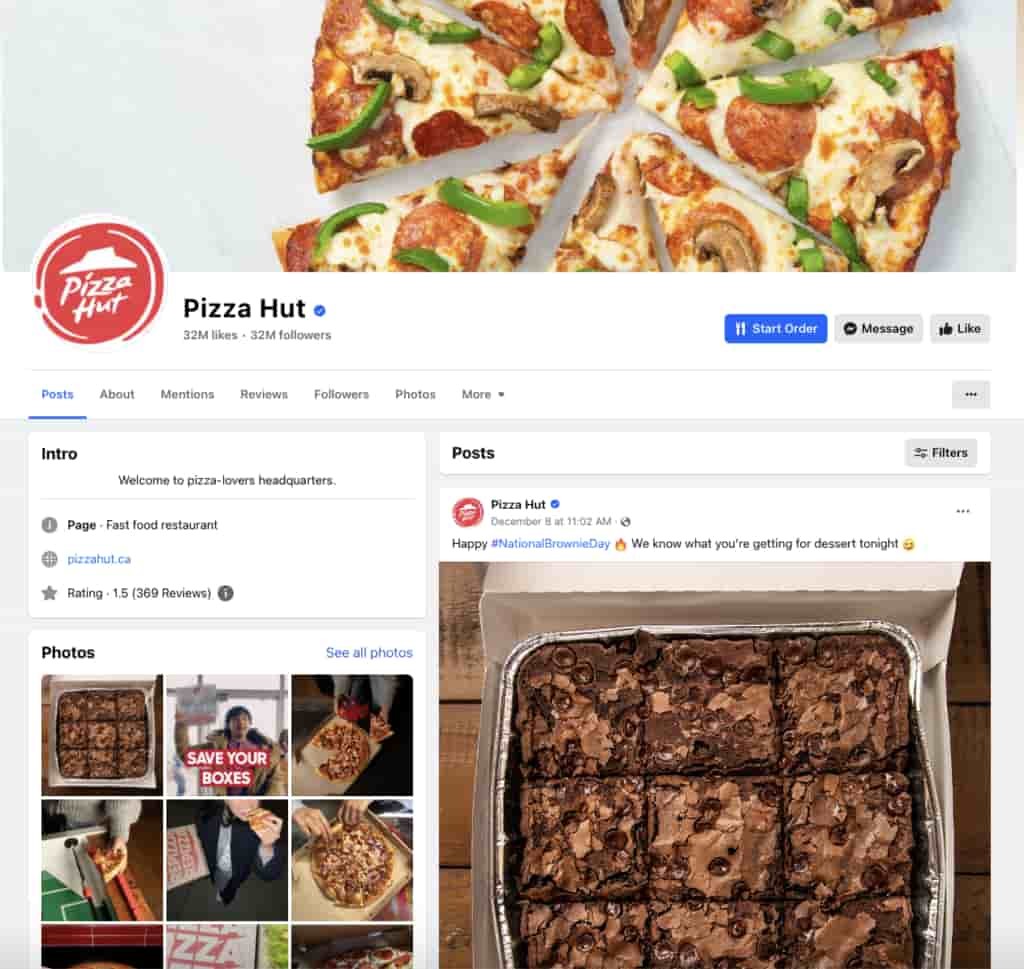
Pizza Hut is another brand that seems to own their onions when it comes to Facebook marketing. the brand takes a simpler approach, but it’s incredibly effective.
Pizza Hut consistently showcases its products through appetizing photos, short videos, special offers, seasonal promotions, and community-driven content. They understand exactly why people follow them and lean into it.
Food content naturally performs well on social media, but Pizza Hut goes a step further by inviting followers into the conversation. Polls, questions, contests, and fan discussions regularly appear throughout their content strategy.
As a result, the audience isn’t just looking at pizzas. They’re actively interacting with the brand.
What brands can learn from Pizza Hut:
- Showcase your product confidently
- Promotions can drive engagement when used strategically
- Polls and contests encourage participation
- Customer involvement strengthens community
Your product or service is often one of your strongest content assets. Don’t be afraid to make it a regular part of your Facebook strategy.
Facebook Marketing FAQs
Is Facebook marketing still effective in 2026?
Absolutely. Despite the rise of newer social platforms, Facebook remains one of the largest social networks in the world, with billions of active users. It continues to be highly effective for brand awareness, community building, lead generation, customer service, and social commerce when used strategically.
How often should I post on Facebook for my business?
There isn’t a one-size-fits-all answer. For most businesses, posting between three and seven times per week is a good starting point. The focus should be on consistency and quality rather than posting as often as possible.
Do I need Facebook Ads, or can I rely on organic content?
Both have a role to play. Organic content helps you build relationships, engage your audience, and strengthen your brand presence.
Facebook Ads help you reach new people faster and achieve specific goals such as lead generation, sales, or website traffic. The strongest Facebook marketing strategies typically combine both approaches.
What type of Facebook content gets the most engagement?
It depends on your audience, but video content, Reels, Stories, customer-generated content, behind-the-scenes posts, polls, and discussion-based posts often perform particularly well.
The best approach is to test different content formats and use your analytics to identify what resonates most with your followers.
How can I manage Facebook marketing more efficiently?
Using a social media management tool can save a significant amount of time.
Platforms like OnlySocial allow you to schedule Facebook posts in advance, manage multiple social media accounts from one dashboard, collaborate with team members, track analytics, and identify the best times to post. This helps you stay consistent while spending less time manually managing your content every day.