User-Generated Content (UGC) in 2025: All You Need to Know

User-generated content, or UGC, is the kind of marketing magic that money can’t quite buy. It’s when real people – your customers, fans, or followers – create content about your brand.
Maybe it’s a photo of their morning coffee with your mug, a TikTok showing off your product, or a glowing review online. These everyday moments tell stories that feel genuine, not staged.
The best part is that UGC works. It helps build trust faster than any polished ad because it comes from real experiences.
In this guide, we’ll break down what user-generated content is, why it matters more than ever in 2025, and how to use it to grow your brand and connect with your audience on a deeper level.
Table of Contents
- 1 What Is User-Generated Content (UGC)?
- 2 What Are the Different Types of User-Generated Content?
- 3 Why Use User-Generated Content in Your Marketing?
- 4 10 Examples of User-Generated Content
- 4.1 1. Coca-Cola – “Share a Coke”
- 4.2 2. GoPro
- 4.3 3. LaCroix – #LiveLaCroix
- 4.4 4. Doritos – #CrashTheSuperBowl
- 4.5 5. Glossier – #MaskForce and Beyond
- 4.6 6. Lululemon – #TheSweatLife
- 4.7 7. Duolingo – #DuolingoChallenge
- 4.8 8. Well Traveled — Member Stories
- 4.9 9. Starbucks — #WhiteCupContest
- 4.10 10. Apple — #ShotOniPhone
- 5 How to make the most of user-generated content (UGC)
- 6 Final Note
- 7 FAQs
What Is User-Generated Content (UGC)?
User-generated content (UGC), sometimes called consumer-generated content, is any kind of original content created by real people, not brands. It could be a customer’s Instagram post showing off your product, a YouTube unboxing video, a five-star review, or even a podcast mention.
Basically, it’s content made about you by your audience, shared on their own platforms or yours.
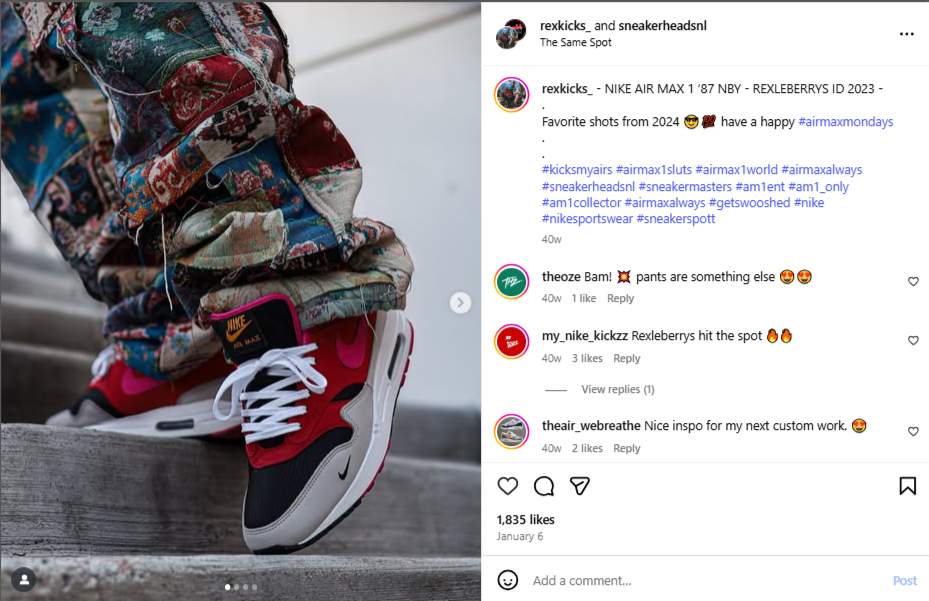
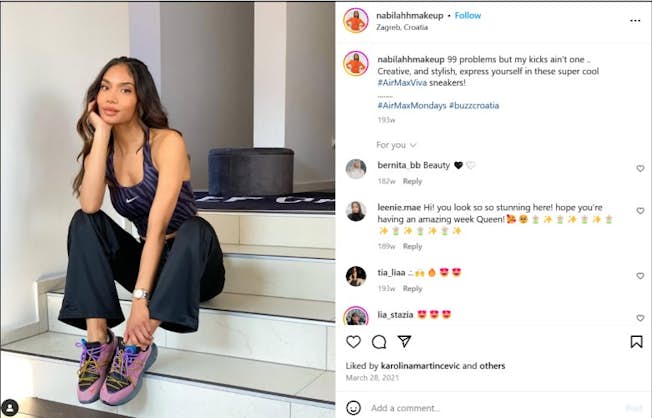
You’ll often see UGC popping up across social media, review sites, and brand websites. Many brands even encourage it. Take Nike, for example. Their #AirMaxMondays hashtag invites fans to show off their favorite trainers, creating a constant stream of authentic, community-driven content.
That’s the beauty of UGC – it blends storytelling and marketing in a way that feels natural, not forced.
What Are the Different Types of User-Generated Content?
User-generated content comes in many forms, but they are broadly of two main types: organic and paid. Both can play a big role in how your audience discovers, trusts, and engages with your brand.
Organic UGC
Organic UGC is the most genuine form. It’s what people create and share on their own because they love your product. No payments, no prompts. Just honest experiences.
Reviews and Testimonials
These are gold. Reviews and testimonials give potential customers the reassurance they need before hitting “buy.” You can feature them on your website, social media, or even in email campaigns. A few kind words from a real person can do what a hundred ads can’t.
Photos
Photos are one of the easiest and most powerful types of UGC. Think of customers snapping pictures of your product in action – whether it’s a morning coffee in your mug or a new outfit they’re proud of. Branded hashtags like #MyBrandStory make it easy to find and reshare these moments.
Videos
Short clips, unboxings, tutorials, or reviews – video UGC feels personal and relatable. A quick “I tried this and loved it” video can build instant trust. Many brands highlight these videos on Reels, TikTok, or YouTube playlists.
Social Media Posts
Even a casual mention counts. A tweet, story tag, or post where someone praises your product is UGC in action. Reshare those moments – they remind people that your brand has real fans.
Blog Posts
Some customers go deeper, writing entire blog posts or including your brand in listicles and comparisons. These longer reviews can bring traffic, boost SEO, and serve as solid proof of your product’s value.
Paid UGC
Sometimes, brands kick things off by collaborating with UGC creators – everyday people who specialize in making authentic, user-style content for brands.
It’s different from influencer marketing because these creators don’t rely on big followings; they focus on producing natural, relatable content.
You can find UGC creators on platforms like Fiverr, Upwork, or TikTok’s Creator Marketplace. Once the deal is set, you can share their videos, photos, or testimonials across your brand channels. Paid or not, what matters is that the content feels real.
Why Use User-Generated Content in Your Marketing?
User-generated content isn’t just a marketing trend. It’s a lasting strategy that helps brands build real connections with their audience. It’s proof that people trust people more than ads.
Here’s how UGC can help you stay ahead with your marketing efforts.
Showcases Authenticity
In 2025, online audiences are sharper than ever. They can tell when something feels staged or overly polished. That’s why UGC works – because it’s real.
Nearly half of online shoppers (47%) say user reviews are the most influential content when researching products. That’s far more than branded or influencer posts.
UGC feels like a friend’s recommendation, not a sales pitch. But it only works when it’s genuine. So, avoid faking reviews or paid “fan” posts. The trust you lose is hard to rebuild.
True UGC should come from real customers, brand fans, or even your team members sharing their experiences.
Help Build Brand Loyalty
UGC creates a sense of belonging. When customers share their experiences and see your brand feature them, they feel valued and part of your story. That builds loyalty in a way traditional marketing can’t.
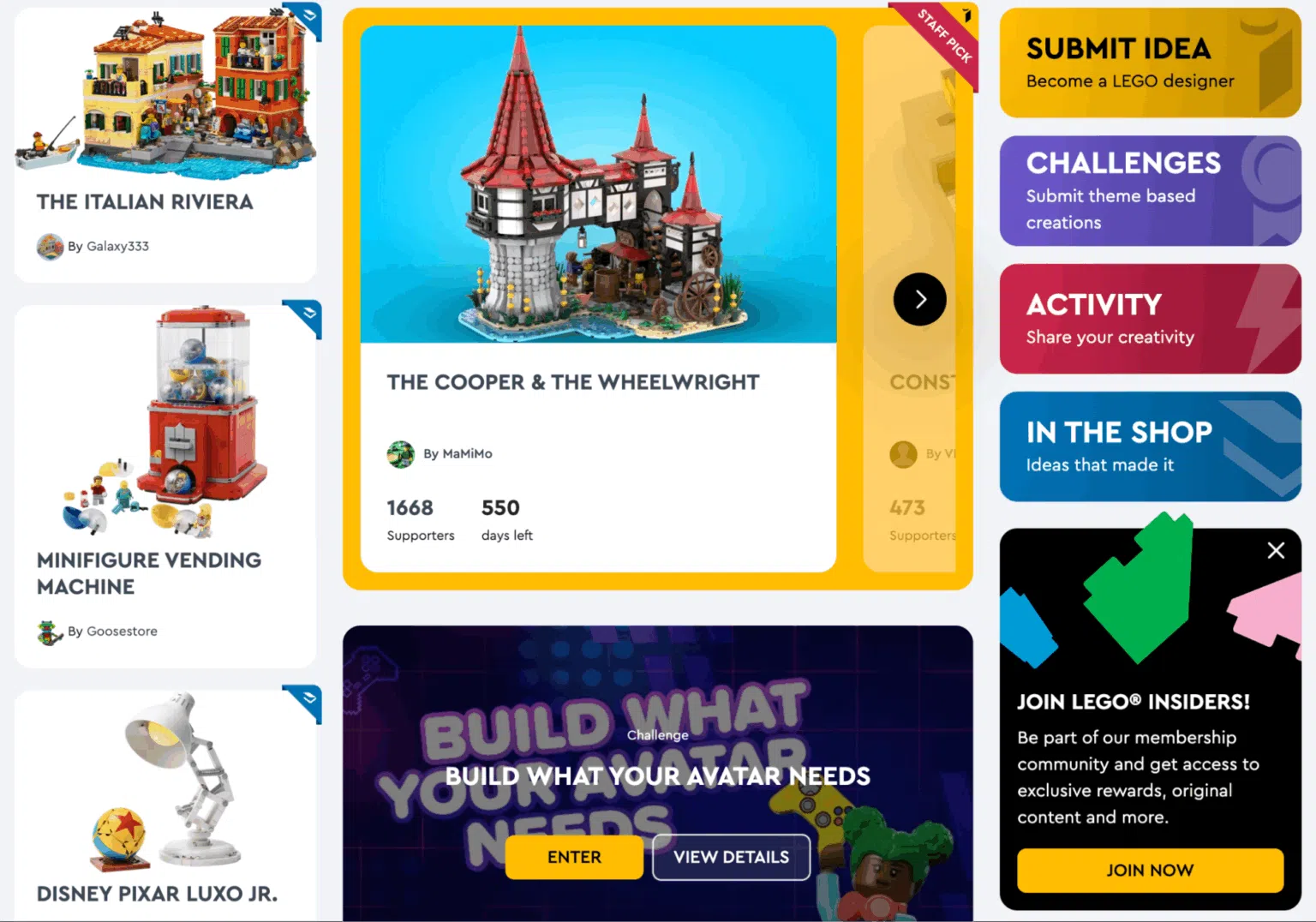
Take LEGO’s Ideas platform as an example. It lets fans design and share their own creations, with some even turned into official LEGO sets. That’s community-driven marketing at its best – giving customers a voice while strengthening their connection to the brand.
Provide Social Proof
When people see others enjoying your product, they’re more likely to give it a try. Research shows that products with at least five reviews have a 270% higher purchase likelihood than those with none. That’s the power of social proof – seeing is believing.
UGC helps you earn that trust naturally. Every post, tag, or testimonial becomes a real-world endorsement that carries far more weight than an ad ever could.
Content Curation
UGC is a goldmine for fresh, relatable content. You can repurpose customer photos and reviews across multiple channels – from social media and landing pages to emails.
For example, Calvin Klein created a dedicated #MyCalvins landing page, filled with photos of real people wearing their clothes. It shows how the brand looks on everyday consumers, not models, making it far more relatable and inspiring.
Helps You Maximize Budget
Compared to influencer campaigns or ad production, UGC costs almost nothing. While influencer posts can cost anywhere from $25 to $25,000 each, UGC often costs little more than a simple “share your story” prompt.
It’s a smart, budget-friendly way to fill your content calendar, strengthen community ties, and boost brand visibility – all powered by the people who already love what you do.
10 Examples of User-Generated Content
Brands big and small are using UGC to boost awareness, grow engagement, and connect with audiences without spending massive ad budgets. Here are ten standout examples that show just how powerful user-generated content can be.
One of the most iconic UGC campaigns ever, Coca-Cola’s Share a Coke turned ordinary bottles into something personal. By printing popular names on their labels, Coke invited people to find their own name, share photos, and tag friends using #ShareaCoke.
What started as a simple idea quickly became a global social media trend, with millions of photos shared and friendships tagged – all fueled by genuine customer participation.

2. GoPro
GoPro built an entire brand community around UGC. Most of the jaw-dropping videos on their YouTube channel come from their customers. As of 2025, GoPro’s top three user-created videos have pulled in over 420 million views combined.
The brand even launched GoPro Awards, rewarding creators for the best footage captured with their cameras. It’s proof that empowering users to share their stories can be more powerful than any ad campaign.
3. LaCroix – #LiveLaCroix
LaCroix turned everyday customers into brand storytellers. Using the hashtag #LiveLaCroix, fans share colorful photos of their sparkling water in everyday settings – picnics, workouts, beach trips, and more.
What makes LaCroix’s approach stand out is its inclusivity. They don’t only feature influencers or loyalists – anyone can be part of the brand story. That authenticity keeps their content relatable and refreshingly human.
View this post on Instagram
4. Doritos – #CrashTheSuperBowl
Doritos made history with its Crash the Super Bowl contest, inviting fans to create their own Super Bowl ads. The winning commercial wasn’t just shared online — it aired during the actual game, with a $1 million prize for the creator.
According to Doritos’ Senior VP, Tina Mahal, the campaign was all about “championing fans and their creativity.” It set a new standard for how brands can hand over the reins and let audiences shape their story.
Here’s one of the videos the brand released featuring Crash the Super Bowl finalists called ‘Goat 4 Sale’ to inspire creators.
5. Glossier – #MaskForce and Beyond
Glossier built its empire by celebrating real people instead of professional models. The skincare and beauty brand encourages customers to share their product selfies and routines, often using hashtags like #maskforce to feature them.
This results in a social feed filled with diverse, relatable faces showing genuine results. It’s a masterclass in how UGC can make a brand feel more like a community than a company.
6. Lululemon – #TheSweatLife
Lululemon’s #TheSweatLife hashtag is a perfect example of how a lifestyle brand can use UGC to stay authentic. The Canadian athleisure company encouraged fans and ambassadors to post photos of themselves wearing Lululemon gear – whether mid-yoga pose, hiking, or just running errands.
The result was a feed full of real people living active, balanced lives. It not only created a sense of community but also gave the brand a steady stream of content to reshare across its social platforms.
View this post on Instagram
7. Duolingo – #DuolingoChallenge
Duolingo took a fun route with its #DuolingoChallenge campaign. The brand teamed up with influencers to create short, funny videos that showed off the app’s quirks and features.
These clips did more than entertain – they made learning a new language feel approachable and fun. The campaign quickly caught on, with thousands of users joining in to share their own takes on the challenge, blending humor, education, and community in one clever move.
8. Well Traveled — Member Stories
Travel brand Well Traveled has built its entire identity around user-generated content. Instead of relying on stock photos or polished ads, the brand showcases real trips planned and shared by its members.
According to Laura DeGomez, their Director of Partnerships & Brand Marketing, “No one tells our story better than our members.” Their photos and reviews don’t just inspire wanderlust — they act as proof of the platform’s quality and community spirit. It’s UGC doing what it does best: building trust through genuine experiences.
View this post on Instagram
9. Starbucks — #WhiteCupContest
Starbucks knows how to make creativity go viral. Its #WhiteCupContest invited customers to doodle on their plain white cups and post their designs online. The winning artwork would be turned into a reusable Starbucks cup – plus a $300 gift card.
The response was overwhelming. Thousands of entries poured in, turning Starbucks’ cups into tiny canvases and sparking a wave of artistic engagement that strengthened brand love and gave fans a sense of ownership.
View this post on Instagram
10. Apple — #ShotOniPhone
Apple’s #ShotOniPhone campaign is a masterclass in turning users into brand ambassadors. By showcasing real photos and videos captured by everyday iPhone users, Apple highlighted the camera’s quality far better than any ad claim could.
Since its launch in 2014, the hashtag has generated millions of posts across social media and billboards worldwide. It’s a simple idea – let the product prove itself – but it’s become one of the most iconic UGC campaigns ever created.
View this post on Instagram
How to make the most of user-generated content (UGC)
Set a goal and clear guardrails
Decide what UGC should do for you. Is it to boost product discovery, lift conversions on key pages, or deepen community? Pick one primary goal and 2-3 metrics (e.g., review volume, save rate, PDP conversion).
Then set simple guardrails so creators know what “good” looks like: themes, dos/don’ts, brand hashtags, and safety rules. Share a one-pager with examples. It keeps content authentic without turning it into an ad brief.
Make participation effortless
Reduce friction and you’ll get more UGC. Give specific prompts (“Show us your desk setup with [Product]”), create an easy hashtag, and pin a highlight with how to take part.
Add a submission form for non-social content (before/after photos, longer testimonials). If you’re running a contest, keep the entry steps short and the prize simple. Small wins work surprisingly well.
Ask, don’t take
Never lift content without permission. A quick DM like, “We love this! May we share it on our website and socials? Reply YES to grant permission and credit you as @handle,” goes a long way.
Always credit creators prominently. Keep a lightweight rights log (screenshot of consent + link). It protects you legally and encourages more people to contribute because they feel respected.
Curate with context and repurpose widely
UGC shines when you place it where it helps decisions. It could be product pages, cart-abandon emails, onboarding flows, in-app tips, ads, and store screens. Add context: state what’s shown, size/color/style used, and a short caption that connects it to a benefit.
Create a simple “best-of” library: tag assets by product, use case, season, and format. One great photo can fuel a Reel, a story, a PDP gallery, and a testimonial tile.
Keep it real (light edits only)
Polish lightly – crop, straighten, add alt text, and fix exposure. Avoid heavy retouching or brandy overlays that make it look like an ad. Authenticity is the point.
Mix creators: loyal customers, first-timers, employees, and micro-communities. Diversity of styles and people helps more buyers “see themselves” in your brand.
Measure, learn, and iterate
Track the basics per asset: reach, saves, shares, click-through, time on page, and conversion lift where UGC appears. Compare UGC vs. studio content on the same placement.
Run small tests and keep a quarterly roundup of what performed best and update your prompts and placements accordingly.
Final Note
User-generated content isn’t just a passing trend; it’s the backbone of authentic marketing in 2025. When people see real stories from real customers, they connect with your brand on a deeper level. It builds trust and help turn your audience into your biggest advocates.
It doesn’t matter the size and type of your business, encouraging UGC is one of the smartest moves you can make. Keep it genuine, celebrate your community, and let their voices tell your story – because, in the end, your customers are your most powerful marketing team.
FAQs
What’s the difference between UGC marketing and influencer marketing?
The main difference is who creates the content and why. UGC marketing relies on everyday customers or fans who share genuine experiences with your product – usually without being paid.
Influencer marketing, on the other hand, involves creators with established audiences who are compensated to promote your brand.
How do you create high-quality user-generated content?
You don’t have to overproduce it – but you do need to guide it. Encourage your audience to share clear, well-lit visuals, honest reviews, or stories that capture how your product fits into their lives.
Give them simple prompts, like a branded hashtag or theme, and showcase great examples to inspire others. The easier and more rewarding you make it, the better the quality will be.
How do I use UGC effectively for my brand?
Start by curating the best posts that align with your message, then repurpose them across your channels. Add them to your website, emails, social ads, and even product packaging. Don’t forget to credit the creators. It keeps your community engaged and shows appreciation.
Is UGC free to use once it’s posted online?
Not exactly. Even though the content is public, you still need the creator’s permission before reusing it, especially for ads or commercial purposes. A quick message asking for consent is always the right move. Many brands even have a UGC rights policy in place to keep things transparent and compliant.
Can small businesses benefit from UGC too?
Absolutely. In fact, small businesses often gain the most. UGC helps them build trust quickly without a huge marketing budget. A handful of customer photos or reviews can make your brand feel personal and credible.