Content Repurposing in 2026: How to Turn One Idea into Endless Content

Creating quality content takes real effort. Researching, writing, designing, editing. Yet for many brands, that work gets used once and quietly disappears into the archive.
Content repurposing is how smart teams stretch the life of their best ideas, turning one solid piece of content into many smaller, useful formats that meet people where they already are.
This isn’t about copying and pasting the same post everywhere. It’s about reshaping your ideas – reshaping what already works. A blog becomes social posts. A video becomes short clips. A webinar becomes emails, quotes, and visuals.
And the numbers back this up. Nearly half of marketers say repurposing performs better than creating brand-new content, while close to two-thirds see it as the more cost-effective option.
Done right, repurposing helps you reach more people, stay visible for longer, and reduce the pressure to constantly create something new.
In this guide, you’ll learn how to turn one strong idea into endless content without burning out or cutting corners.
Table of Contents
- 1 Why Content Repurposing Is No Longer Optional
- 2 The Real Payoff of Content Repurposing
- 3 How to Spot Content Worth Repurposing
- 4 9 Proven Ways to Repurpose Content Without Diluting Its Impact
- 4.1 1. Turn blog posts into social media carousels
- 4.2 2. Rework long blogs into LinkedIn articles
- 4.3 3. Use blog content as scripts for YouTube videos or Reels
- 4.4 4. Turn data-heavy articles into infographics
- 4.5 5. Break webinars or podcasts into short video clips
- 4.6 6. Combine related posts into an eBook or downloadable guide
- 4.7 7. Turn internal case studies into public-facing stories
- 4.8 8. Pull content snippets into email newsletters
- 4.9 9. Repurpose slide decks into LinkedIn carousel posts
- 5 How OnlySocial Makes Content Repurposing Super Easy
- 6 Content Repurposing Best Practices That Actually Work in 2026
- 6.0.1 Reframe content for each platform
- 6.0.2 Respect audience behavior on each channel
- 6.0.3 Refresh visuals, headlines, and captions
- 6.0.4 Prioritize high-performing and evergreen content
- 6.0.5 Update data, stats, and examples
- 6.0.6 Audit links and facts before republishing
- 6.0.7 Track how repurposed content performs
- 6.0.8 Let performance data guide future repurposing
- 7 Final Thoughts
- 8 FAQs
Why Content Repurposing Is No Longer Optional
In 2026, content repurposing isn’t a clever shortcut. It’s how modern content strategies survive. Your audience no longer lives in one place, and they don’t consume content in one way.
Some prefer short videos. Others want carousels, long reads, audio clips, or quick insights in their feed. Repurposing allows one strong idea to travel across platforms in formats that actually fit how people scroll, watch, and listen today.
It also solves a growing visibility problem.
Social media algorithms change constantly, and reach isn’t guaranteed anymore, even if your content is good. Repurposing gives your best-performing ideas a second (or third) life by refreshing them for new formats and new contexts.
A post that did well months ago can resurface as a video, a quote graphic, or a short thread, helping you stay relevant without reinventing the wheel.
There’s also a very real cost angle. Creating original content from scratch every time is expensive, both in time and resources. Repurposing helps you stretch every blog, video, or campaign further. It fills your calendar, supports launches, and lets you react faster to trends while keeping your message consistent.
The Real Payoff of Content Repurposing
Content repurposing isn’t just about doing less work. It’s about getting more impact from the work you’ve already done. When you look at it properly, the benefits go far beyond filling your content calendar.
Wider reach without extra creation
Not everyone consumes content the same way. Some people scroll, others watch, some prefer to read, and many skim. Repurposing lets one idea show up in multiple formats, which naturally puts your message in front of more people without asking you to create something entirely new each time.
Stronger presence across platforms
An effective content strategy today is rarely built around a single channel. Repurposing makes it easier to show up consistently on LinkedIn, Instagram, YouTube, email, and beyond, while keeping your message aligned. Instead of starting from scratch for every platform, you adapt what already works.
Improved SEO and discoverability
Turning one idea into multiple formats creates more opportunities to be found. Videos can rank on YouTube, blogs can rank on Google, and social posts can drive ongoing traffic. All of this works together to strengthen your visibility and authority over time.
Better return on existing content
Time, tools, and talent all cost money. Repurposing helps you stretch those investments further. A blog post, video, or campaign can continue delivering value long after its original publish date, improving the overall return on your content efforts.
More inclusive and targeted communication
Different formats speak to different people. Repurposing helps you meet your audience where they are, in the way they prefer to consume content. That flexibility makes your messaging more accessible, more engaging, and more likely to convert.

How to Spot Content Worth Repurposing
Successful content repurposing starts with choosing the right material. Not every post needs a second life, and that’s okay. The goal is to find pieces that still have something valuable to say, but could reach more people if presented differently.
Start with a content audit
Before you repurpose anything, take stock of what you already have. Look at your blog, videos, emails, and social posts as a whole. Use analytics to see what’s getting steady traffic, strong engagement, or longer time-on-page.
On social, pay attention to posts that sparked comments, saves, or shares. These signals usually mean the idea resonated, even if it didn’t go viral.
Look for content with staying power
The best repurposing candidates usually fall into one of three categories. Evergreen content that stays relevant over time is an obvious win. High-performing pieces that already attract attention are worth extending into new formats.
And then there are the underrated posts. These are strong ideas that didn’t get the visibility they deserved the first time. A new format or platform can give them the attention they missed.
Map content to the buyer journey
Repurposing works best when it’s intentional. Educational content fits naturally at the awareness stage and can be reshaped into social posts, visuals, or short videos.
Deeper, more detailed content works well for consideration, where it can become email series, interviews, or guides. Decision-stage content like case studies and testimonials often performs best as short videos, visuals, or downloadable resources.
When your repurposed content matches where your audience is mentally, it feels useful instead of repetitive.
9 Proven Ways to Repurpose Content Without Diluting Its Impact
Great content shouldn’t have a short shelf life. Once something lands well with your audience, that’s your signal to do more with it, not move on.
Below are proven content repurposing strategies that help turn your best work into assets you can reuse again and again.
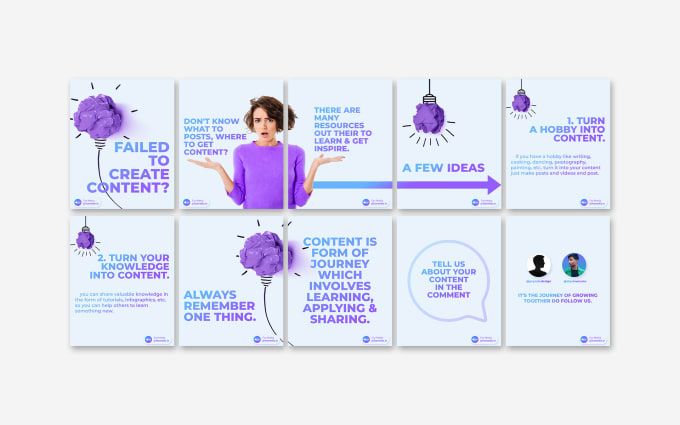
Long-form blog posts often contain multiple insights, not just one. Pull out the strongest points and break them into short, visual slides for platforms like LinkedIn or Instagram. Each slide should focus on one idea, tip, or takeaway.
This format works well because it’s easy to skim, encourages saves, and invites people to swipe through. It also gives you a natural way to drive traffic back to the full post for anyone who wants more depth.
2. Rework long blogs into LinkedIn articles
If you’ve written an in-depth blog post, there’s a good chance it can perform just as well on LinkedIn with a few tweaks. Rewrite it in a more conversational, professional tone and adjust examples to suit a business-focused audience.
Publishing as a native LinkedIn article helps you reach people who may never visit your website, while reinforcing your expertise directly inside their feed.
3. Use blog content as scripts for YouTube videos or Reels
Written content already has structure. An introduction, key points, and a conclusion. That makes it ideal for video scripts. Turn a blog post into a YouTube explainer or break it into short-form videos for Reels or Shorts.
You keep the same core message while reaching people who prefer watching over reading, and you strengthen your presence across different content formats without reinventing the idea.
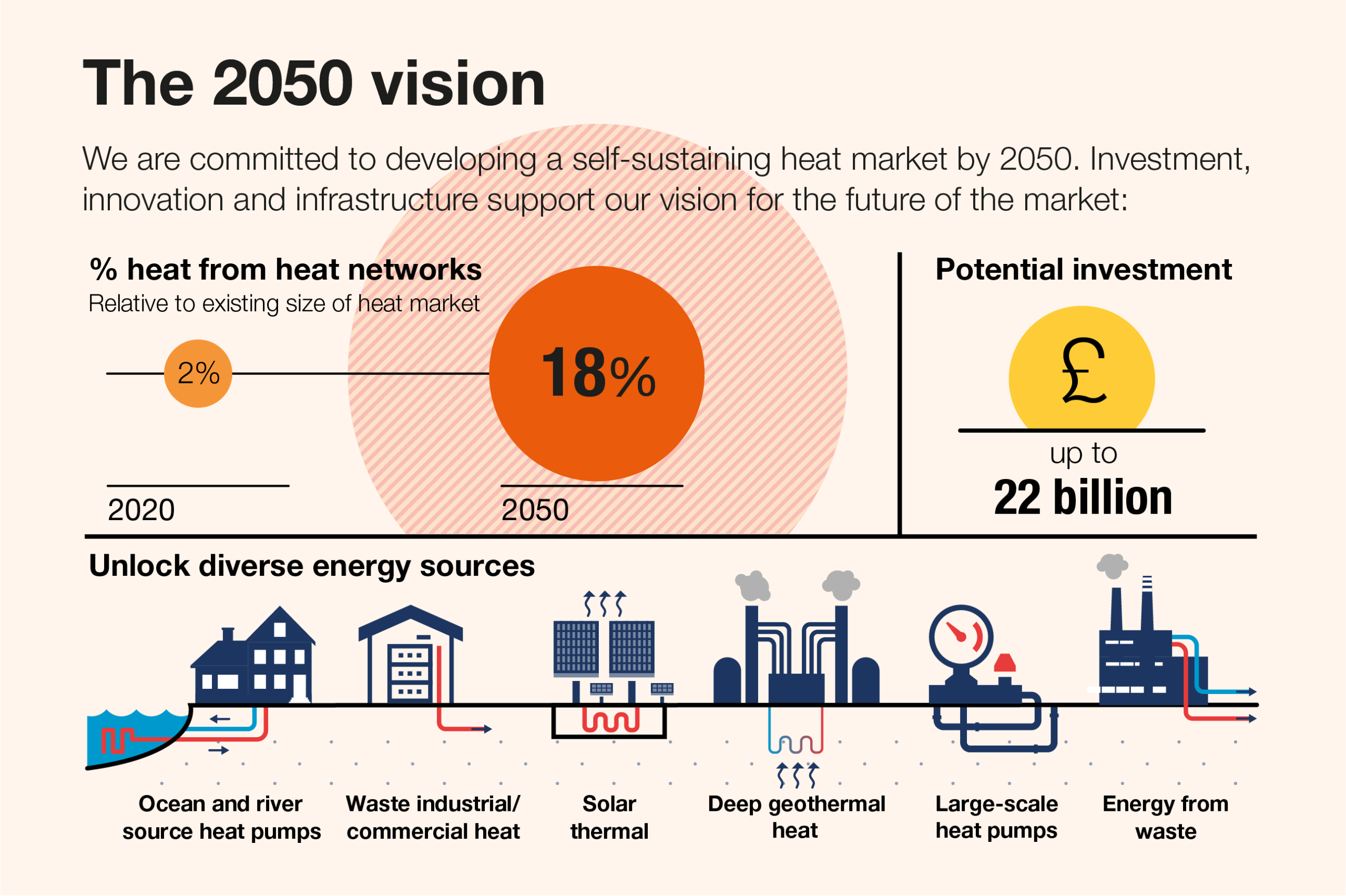
4. Turn data-heavy articles into infographics
If a post is packed with stats, charts, or research findings, it’s a perfect candidate for an infographic. Visuals help people grasp complex information faster, and they’re far more likely to be shared than a wall of text.
You can use infographics as standalone social posts, embed them back into the original article, or include them in newsletters. One strong visual can keep your insights circulating long after the blog post was published.
5. Break webinars or podcasts into short video clips
Webinars and podcasts are packed with moments that deserve more attention than a single live session or upload. Pull out strong quotes, key insights, or quick explanations and turn them into short video clips.
These bite-sized highlights work especially well on Reels, Shorts, and other short-form video feeds. They’re easy to consume, easy to share, and often act as a gateway to your longer content.
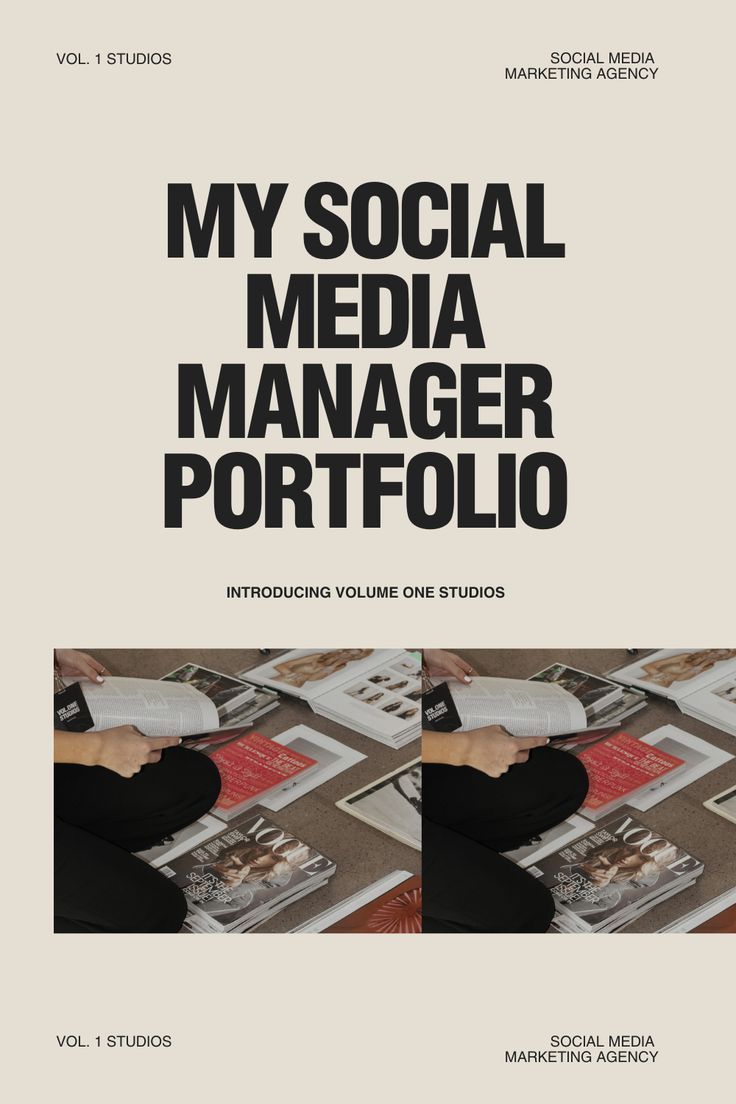
When several blog posts cover parts of the same topic, bring them together into one cohesive resource. An eBook or guide gives your content long-term value and works well as a lead magnet or onboarding resource.
It also reframes your existing work as something more substantial, helping position your brand as a trusted authority rather than just another publisher pushing out posts.
7. Turn internal case studies into public-facing stories
Your internal success stories are often more valuable than you realize. Wins, experiments, and lessons learned can be reshaped into case studies that show real-world impact. When shared publicly, they build trust and make your brand feel credible and grounded in experience.
Just be mindful of sensitive details. Anonymizing data or focusing on outcomes rather than specifics still delivers value without overexposing anything.
Your existing content is a goldmine for email. Quotes, statistics, short tips, or key insights can be lifted directly from blogs, videos, or guides and dropped into newsletters.
This keeps your emails useful and engaging while reinforcing ideas your audience may have missed elsewhere. It also gives your long-form content multiple touchpoints without adding extra writing pressure.
9. Repurpose slide decks into LinkedIn carousel posts
Slide decks already break information into clear, visual chunks, which makes them perfect for LinkedIn carousels. Each slide can become a single takeaway that educates, sparks discussion, or positions you as a thought leader.
This approach works especially well for presentations used in webinars, pitches, or internal training sessions that deserve a wider audience.
How OnlySocial Makes Content Repurposing Super Easy
Repurposing content works best when you’re not juggling five tools, ten tabs, and endless copy-paste sessions. OnlySocial is built to remove that friction and help you turn one strong idea into a full, cross-platform content system, without burning time or creativity.
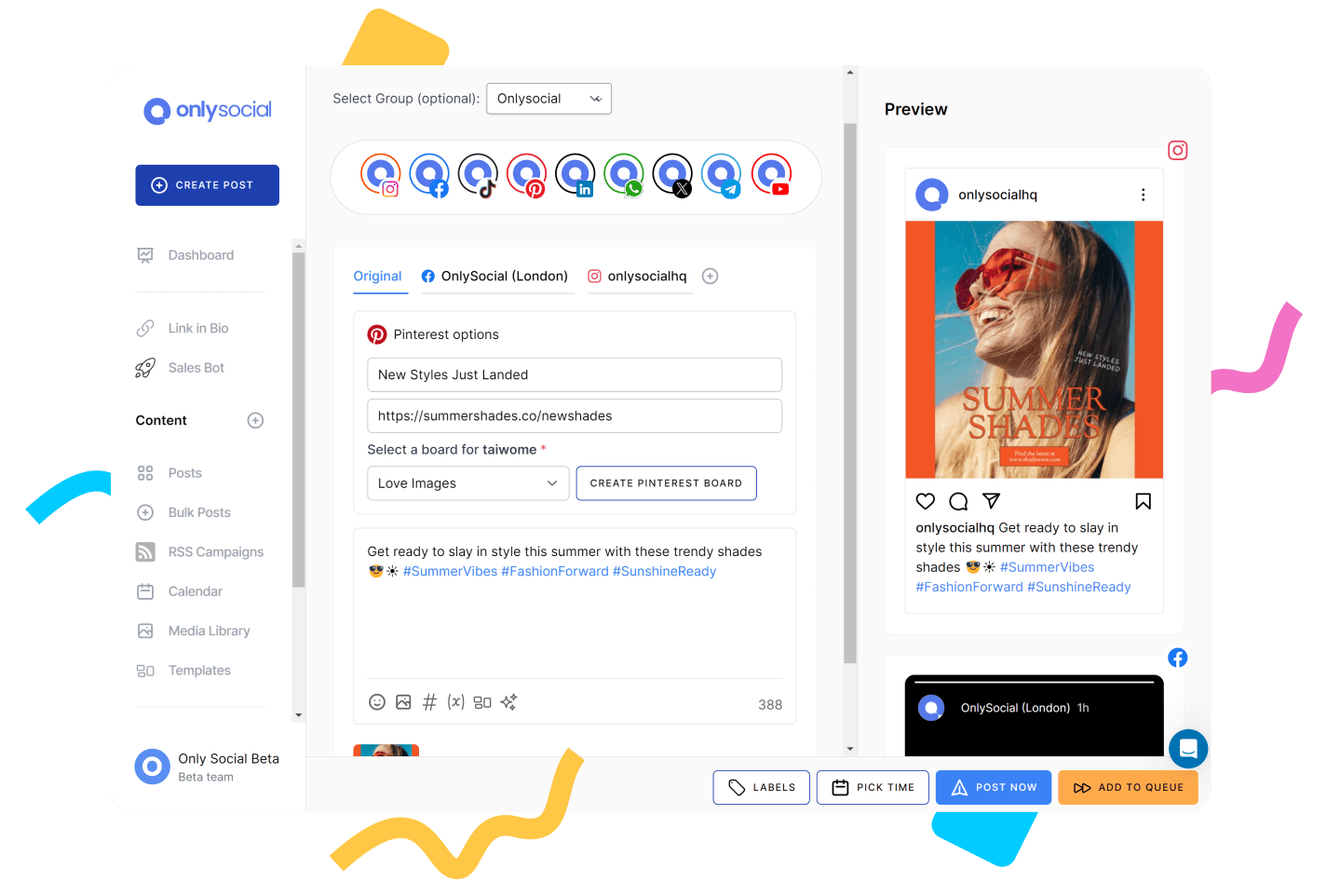
Here’s how OnlySocial helps streamline content repurposing from start to finish:
- Plan and publish everywhere from one dashboard
Instead of manually re-posting content on each platform, you can schedule repurposed pieces across all your social channels in one place. A blog turned into a carousel, a short video, and a quote post can all be planned and published without repetitive work. - Create platform-specific captions with AI
OnlySocial’s AI tools help you turn a single idea into multiple caption variations, tailored to the tone, length, and style of each platform. That means your LinkedIn post doesn’t sound like your Instagram caption – and your message still stays on brand. - Use analytics to spot repurposing opportunities faster
Not sure what to repurpose next? OnlySocial’s analytics highlight your top-performing posts based on real engagement, not guesswork. You can quickly identify which content deserves a second (or third) life and double down on what already works. - Visualize everything in one multi-format content calendar
Repurposing gets messy fast without a clear plan. OnlySocial’s content calendar lets you see every version of your content – videos, reels, carousels, text posts – mapped out across platforms and dates. You get a clear overview of how one idea spreads across your entire strategy.
Content Repurposing Best Practices That Actually Work in 2026
Content repurposing is powerful, but only when it’s done with intention. Simply copying and pasting the same message everywhere won’t move the needle. The best results come from treating each repurposed asset as a new experience for a specific audience and platform.
Here are 8 proven best practices for effective content repurposing:
Reframe content for each platform
Every platform has its own language. A long-form blog might turn into a thoughtful LinkedIn post, a punchy X (Twitter) thread, or a fast-paced short video. Keep the core idea, but reshape the delivery so it feels native – never recycled.
Respect audience behavior on each channel
Your audience doesn’t consume content the same way everywhere. LinkedIn users often prefer depth and insight, while Instagram audiences lean toward visuals and brevity. Study engagement patterns per platform and adapt your formats, hooks, and CTAs accordingly.
Refresh visuals, headlines, and captions
Repurposed content should feel new, not reused. Swap out images, redesign graphics, rewrite headlines, and adjust captions to spark fresh interest. Even small changes can dramatically improve engagement.
Prioritize high-performing and evergreen content
Not all content deserves a second life. Focus on pieces that already performed well or cover timeless topics. If something underperformed, only repurpose it if you’re willing to meaningfully improve the angle, format, or messaging.
Update data, stats, and examples
Nothing dates content faster than old numbers. Before republishing, refresh statistics, case studies, and references to reflect current trends. This keeps your brand credible and your content relevant in 2026 and beyond.
Audit links and facts before republishing
Broken links or outdated information can quickly erode trust. Always double-check URLs, product references, and factual claims to ensure everything is accurate and functional.
Track how repurposed content performs
Repurposing isn’t just about efficiency. It’s about results. Monitor engagement, reach, clicks, and conversions across platforms to see which formats and channels perform best when content is reused.

Let performance data guide future repurposing
Avoid repurposing on autopilot. Use performance insights to refine your strategy, double down on what works, and stop investing time in formats or channels that don’t deliver returns.
When you follow these best practices, content repurposing becomes a growth strategy, and not just a time-saver. Done right, it helps you extend the lifespan of your best ideas, stay consistent across platforms, and get maximum impact from every piece you create.
Final Thoughts
Content repurposing isn’t about cutting corners but about working smarter. In 2026, the brands that win aren’t the ones creating the most content, but the ones extracting the most value from what they already have.
By turning one strong idea into multiple formats, you extend its lifespan, reach new audiences, and stay visible without burning out your team.
When you approach repurposing strategically, you transform content from a one-off effort into a scalable growth engine. Start with what’s already working, refine it for where your audience is today, and let your best ideas keep working for you long after they’re published.
FAQs
Can repurposing content harm my SEO?
No. when done correctly, content repurposing can actually improve your SEO. The key is to avoid duplicate content issues by changing formats, angles, or structure rather than copying and pasting.
For example, turning a blog post into a video, infographic, or social carousel adds new entry points for discovery. If you republish written content on third-party platforms, use canonical links where possible to signal the original source.
How often should I repurpose content?
There’s no hard rule, but a good benchmark is to repurpose high-performing content every few months. Evergreen pieces can be reused regularly with light updates, while time-sensitive content may only need one or two repurposed versions.
Can I repurpose guest posts or third-party content?
Yes, but only with permission. Always check the usage rights or agreement tied to the content. In many cases, you can repurpose guest posts you’ve written for other sites by summarizing insights, pulling quotes, or reframing ideas for social content. Just be sure to credit the original source and follow any platform guidelines.
What platforms are best for repurposing B2B content?
For B2B brands, LinkedIn is usually the top priority, especially for articles, carousels, and short videos. Email newsletters, YouTube, webinars, and podcasts are also strong channels for repurposing long-form insights.
Blog content can be broken down for X (Twitter), infographics, or sales enablement materials depending on your audience.
How do I measure the success of repurposed content?
Success depends on your goal. Track engagement metrics (likes, comments, shares), reach, clicks, and conversions across each platform. Compare repurposed content against original formats to see which performs better.
Over time, these insights will help you refine your content repurposing strategy and focus on formats that deliver the highest return.