What Are KOLs: Finding the Right Experts for Your Brand
Discover what KOLs really are, how they compare to influencers, and how to partner with trusted experts who influence real decisions.
Social media influencers may dominate feeds, but they’re no longer the only voices shaping buying decisions.
Today, audiences are paying closer attention to people who actually know what they’re talking about – professionals, specialists, and industry insiders whose opinions carry real weight.
That’s where key opinion leaders (KOLs) come in.
In this guide, we’ll break down what KOLs are, how they’re different from traditional influencers, and why brands are increasingly working with them. You’ll also learn how to find the right experts for your brand and turn those relationships into meaningful, long-term marketing wins.
Table of Contents
What Are KOLs?
KOLs, short for key opinion leaders, are people who are respected for their expertise in a specific field. They’re doctors, analysts, founders, engineers, creators, or professionals who know their subject inside out.
People follow them not just because they’re popular, but because their opinions actually carry weight. When they speak, their audience listens.
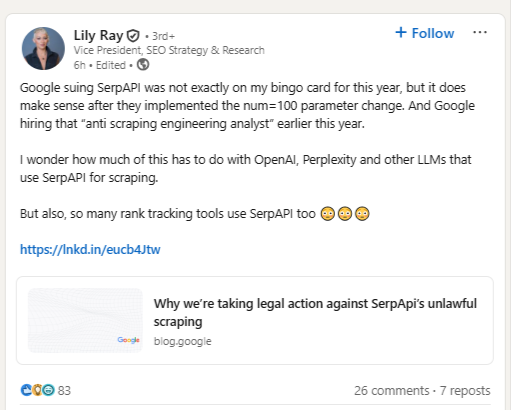
What sets KOLs apart is trust. Their followers see them as reliable sources of insight, not just content creators. That trust is built over time through experience, consistency, and deep knowledge. So when a KOL recommends a product, service, or idea, it feels more like advice from an expert than a marketing message. A good example of an opinion leader in the SEO world is the long-time strategist Lily Ray.
So, what is KOL marketing about? It’s about partnering with these trusted experts to help your brand reach the right audience in a credible way. Instead of shouting for attention, you’re borrowing trust. And in crowded markets where people are tired of ads, that trust can make all the difference.
KOL vs. Influencers: What’s the Difference Between Them?
At first glance, KOLs and influencers can look very similar. Both have audiences. Both create content. And both can shape opinions. But when you dig deeper, especially from a marketing point of view, the difference becomes very clear.
The core distinction comes down to where their influence comes from. KOLs earn attention through expertise and credibility. Influencers earn attention through visibility, personality, and relatability. That difference affects how audiences perceive their recommendations and how brands should work with them.
Here’s a simple breakdown to make it easier to spot the contrast:
| Dimension | Key Opinion Leaders (KOLs) | Influencers |
| Why people listen | Because of proven expertise, experience, or authority in a specific field | Because they enjoy the creator’s personality, lifestyle, or perspective |
| Source of trust | Knowledge, credentials, research, years of practice | Consistency, relatability, and social proof |
| Primary audience | Industry professionals, specialists, decision-makers, niche communities | General consumers or interest-based audiences |
| Typical content style | Deep dives, analysis, commentary, interviews, long-form insights | Short-form content, trends, reviews, tutorials, lifestyle posts |
| Brand relationship | Often relationship-driven and long-term; may not feel overtly promotional | Typically campaign-based and transactional |
| How recommendations land | Interpreted as informed opinions or professional judgment | Interpreted as personal endorsements or suggestions |
| Best use cases | B2B marketing, healthcare, tech, finance, education, high-trust industries | B2C marketing, lifestyle brands, eCommerce, entertainment |
| Audience reaction | “This person knows what they’re talking about.” | “I like them, so I trust their taste.” |
Both play important roles, but they serve different marketing goals. Influencers tend to work best in B2C campaigns where visibility, lifestyle alignment, and quick attention matter. KOLs are especially powerful in B2B, healthcare, tech, finance, and other trust-driven industries where decisions are made carefully, and credibility is everything.
However, you should also know that the line isn’t fixed. Some influencers grow into KOLs over time by building deep expertise.
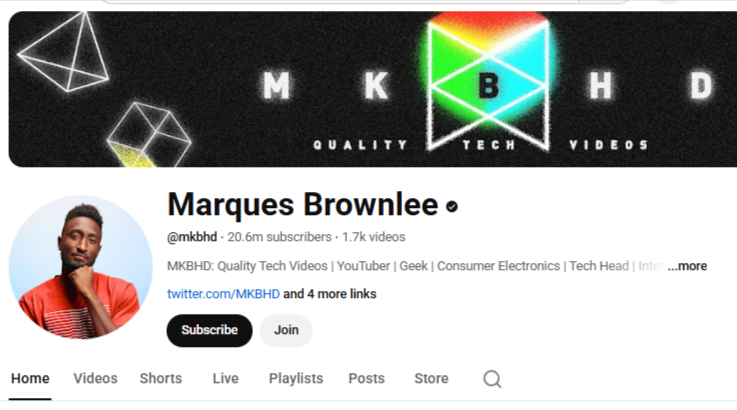
Marques Brownlee is a great example. He started with YouTube tech reviews, but years of experience and insight have positioned him as a respected authority in the tech space. The key difference isn’t follower count. It’s why people listen.
Benefits of Working with KOLs as Part of Your Marketing Strategy
Partnering with key opinion leaders isn’t about chasing reach or riding trends. Think of it more as earning trust in places where trust actually matters.
When done right, KOL collaborations can reshape how your brand is perceived and accelerate results that traditional marketing often struggles to deliver. Here are some reasons you should consider including KOL marketing in your marketing strategy.
Credibility you can’t fake
A KOL’s endorsement carries weight because it’s rooted in expertise, not hype. When an industry expert references your product in a podcast, panel discussion, article, or social post, it feels less like promotion and more like professional validation.
For many audiences, especially in B2B, tech, healthcare, or finance, that kind of approval is far more persuasive than even the most polished ad campaign.
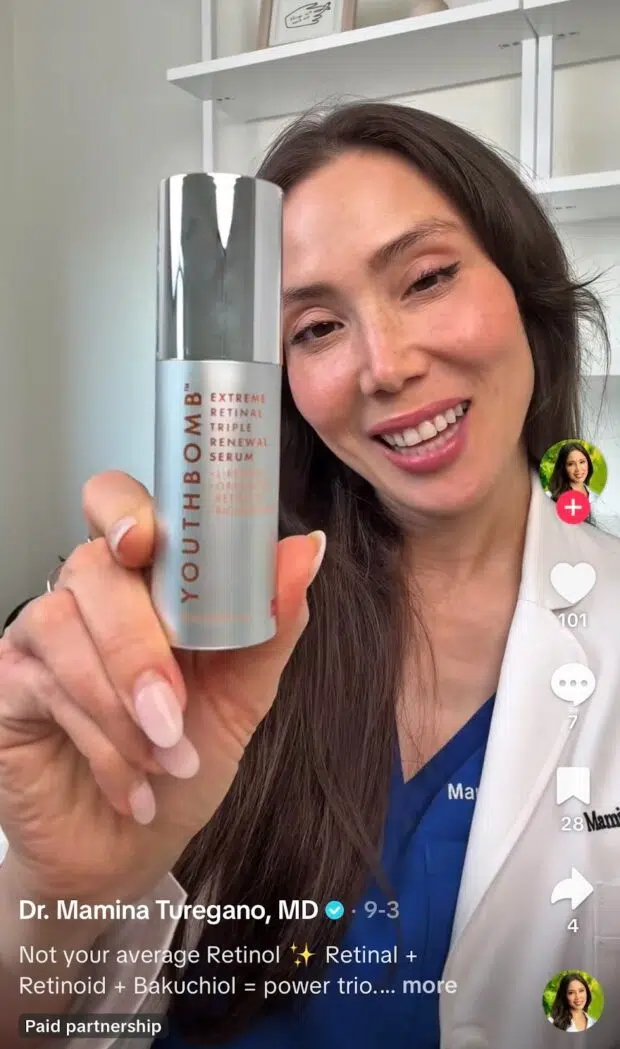
A great example is Dr. Mamina Turegano, a triple-board-certified dermatologist. Her audience (now a million-strong) trusts her advice, product picks, and ingredient breakdowns because they come from decades of real expertise.
Direct access to niche, high-value audiences
KOLs don’t speak to “everyone,” and that’s exactly the point. Their audiences are often tightly defined communities made up of practitioners, decision-makers, and specialists. These are the people who attend conferences, influence purchasing decisions, and shape industry conversations.
A single collaboration can open doors to audiences that would otherwise take years and a lot of ad spend to reach.
Consistent collaboration with respected experts subtly elevates how your brand sounds and feels. Over time, that association helps position your business as knowledgeable, credible, and serious about its craft.
Instead of shouting for attention, your brand becomes part of informed conversations, where authority is assumed, not questioned.
Higher-quality engagement that leads to action
Because KOLs have already earned their audience’s trust, their recommendations tend to spark deeper engagement. People don’t just like or comment, they listen, research, and act. This is why KOL testimonials often show up on landing pages, sales decks, and product pages. They help move prospects from “interested” to “confident enough to decide.”
Real influence on buying decisions
Ultimately, KOL marketing delivers where it matters most: impact. In industries like healthcare, studies show that expert-led content can directly change perceptions and purchasing behavior.
Even in less regulated spaces, a trusted voice can be the final nudge that convinces someone to choose your solution over a competitor. When credibility meets relevance, conversions follow.
How to Build a KOL Marketing Strategy
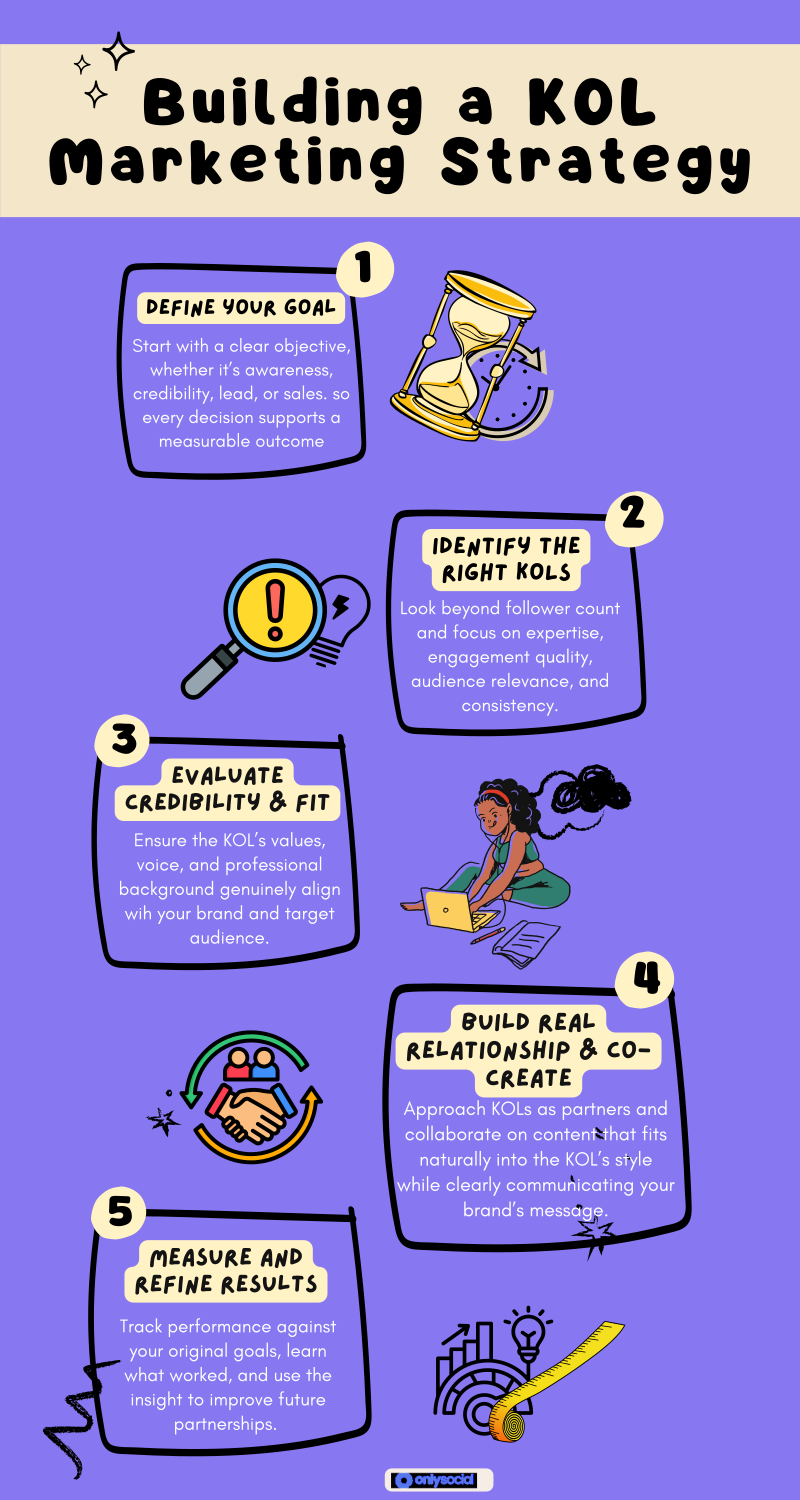
Start with a clear objective
Before reaching out to any KOL, get specific about what success looks like for your brand. Are you trying to build credibility in a new space? Drive qualified leads? Support a product launch?
Clear goals shape everything that follows – from the type of KOL you choose to how you measure results. Without this clarity, it’s easy to run a campaign that looks busy but delivers very little business value.
Find the right experts, not just popular voices
When evaluating potential KOLs, look beyond surface-level numbers. A growing audience, thoughtful discussions in the comments, regular resharing by peers, and consistent posting habits often matter more than massive reach.
KOLs who actively engage with their community and other experts tend to spark better conversations and longer-term impact. Signs like professional recognition, speaking engagements, or platform badges can also signal real authority.
Build a relationship before pitching
KOL partnerships work best when they feel collaborative, not transactional. Open a conversation to understand how the KOL approaches partnerships, what they value, and how they typically work with brands.
Be transparent about expectations, timelines, and compensation, but also show genuine interest in their perspective. Mutual respect sets the tone for everything that follows.
Co-create content, don’t control it
KOLs have earned their influence by speaking in their own voice. Your role is to provide context, guardrails, and goals – not scripts.
Share the key message, audience, and purpose of the campaign, then collaborate on how that message comes to life. When content feels natural to the KOL’s feed and personality, audiences respond far more positively.
Measure impact and refine your approach
Once the campaign is live, track performance against the goals you defined at the start. Look at engagement quality, audience reactions, lead quality, and downstream impact – not just impressions.
These insights help you understand which partnerships are worth deepening and where to refine future campaigns. Over time, this turns one-off collaborations into a repeatable, scalable strategy.
A thoughtful KOL marketing strategy isn’t about chasing quick wins. It’s about building long-term credibility by aligning your brand with voices your audience already trusts.
6 Tips to Get the Most Out of KOL Marketing for Your Brand
Working with KOLs can be incredibly powerful, but only if you approach it with the right mindset. These partnerships thrive on alignment, trust, and long-term thinking. Here’s how to make sure your KOL efforts deliver real value.
1. Know exactly who you’re trying to reach
Before choosing a KOL, be crystal clear about your audience. Look beyond broad demographics and think about what your ideal customer cares about, the problems they’re trying to solve, and who they already trust for guidance.
The strongest partnerships happen when a KOL’s community naturally overlaps with your target audience. When the fit is right, the message feels relevant instead of forced, and engagement comes more easily.
2. Do your homework before committing
A KOL doesn’t just promote your brand; they become part of how people perceive it. Take time to dig into their background, past collaborations, tone, and values. Make sure their expertise is genuine and their opinions are respected within their niche.
It’s far better to work with a smaller, well-aligned expert than a high-profile name that doesn’t truly fit your brand or audience.
3. Keep your brand consistent, without stifling creativity
Clear brand guidelines help KOLs understand how to represent you accurately, but they shouldn’t feel like a script. Consistency builds trust, yet authenticity drives impact.
Share your key messages, visual standards, and non-negotiables, then let the KOL communicate in a way that feels natural to their audience. The goal is to sound like a trusted recommendation, not a polished ad.
4. Respect their expertise and input
KOLs know their audience better than anyone else. If they suggest a different angle or format, it’s usually worth listening. Collaboration works best when ideas flow both ways. Giving KOLs creative freedom often leads to content that resonates more deeply and feels genuinely insightful rather than promotional.
5. Treat the partnership like a real investment
Strong KOL relationships take time, effort, and fair compensation. Communicate clearly, respond promptly, and show appreciation for the work they put in. When KOLs feel valued, they’re more likely to go above and beyond – and more open to long-term collaboration that grows alongside your brand.
6. Measure, learn, and improve
Finally, don’t stop at publishing content. Track performance against your goals, review engagement quality, and gather feedback from both the KOL and your audience.
Use these insights to refine future campaigns and strengthen your approach. KOL marketing is most effective when it evolves with each collaboration.
Final Thoughts
KOL marketing isn’t about chasing reach or riding trends. It’s about credibility. When you partner with experts people already trust, your brand earns attention in a way traditional ads simply can’t replicate.
Done right, KOL partnerships can elevate how your brand is perceived and influence decisions at the moments that matter most.
The key is to treat KOL marketing as a long-term strategy, not a one-off tactic. Focus on alignment, mutual respect, and measurable outcomes. When expertise, trust, and authenticity come together, KOL marketing becomes one of the most powerful tools in your brand’s growth playbook.
FAQs
What is an example of a KOL?
A KOL could be a respected industry expert such as a senior marketer who regularly shares insights on LinkedIn, a doctor publishing research-backed health advice, or a tech analyst known for in-depth product breakdowns.
For example, some KOLs in the world of SEO include Google’s John Mueller, Sparktoro/Moz founder Rand Fishkin and long-time strategist Lily Ray. When there’s a new algorithm update or SEO trend, these are the voices you look to first.
Can a KOL also be an influencer?
Yes. The two show up in different ways. Some influencers grow into KOLs as they build expertise, experience, and authority over time. When someone’s influence shifts from personality-driven to knowledge-driven, they often move into KOL territory.
Which is best for enterprise marketing: KOLs or influencers?
For enterprise and B2B marketing, KOLs are often more effective. Their authority carries weight with decision-makers, stakeholders, and industry peers. Influencers may still play a role, but KOLs tend to drive higher trust and more qualified engagement at scale.
What metrics should be used to measure the success of a KOL marketing campaign?
Focus on quality over volume. Track engagement relevance, lead quality, brand lift, content shares by industry peers, and conversion influence. For longer-term programs, look at changes in brand perception and inbound demand tied to KOL activity.
Can KOL marketing be effective for small businesses?
Absolutely. Small businesses can see strong results by partnering with niche KOLs who serve highly targeted communities. These collaborations are often more affordable and can deliver outsized impact when the audience fit is right.