Social Media Statistics 2025: Surprising Numbers Shaping Marketing This Year
Social media never stands still. In 2024, we saw AI content everywhere. Algorithms shook things up, and brands fighting harder than ever for attention.
Fast forward to 2025, and the game has changed again.
People are craving real conversations over just polished posts. Platforms are rewarding authenticity, and the old “post more to grow more” approach isn’t cutting it anymore.
That’s why the numbers matter. Social media statistics give you a clear picture of where people spend their time, what type of content clicks with them, and how to shape your next campaign to boost engagement and ROI.
Think of it as your cheat sheet to smarter marketing this year.
In this guide, we’ll dive into the surprising stats of 2025 that can help you cut through the noise and get real results.
Table of Contents
- 1 How Many People Are Using Social Media in 2025?
- 2 Who’s Really Using Social Media in 2025?
- 3 How Social Media Fits into Daily Life in 2025
- 4 Social Media Statistics by Usage Purpose
- 5 What Kind of Content People Are Engaging with Most in 2025?
- 6 How Are Businesses Using Social Media in 2025?
- 7 Platform-Specific Social Media Statistics in 2025
- 8 Which Platforms Offer the Best Ad Reach and ROI in 2025?
- 9 Influencer Marketing Statistics in 2025: The Numbers Behind the Buzz
- 10 Future Trends Shaping Social Media in 2025
- 11 Turning Numbers to Action: Building Smarter Strategies with OnlySocial
- 12 Final Thoughts
- 13 FAQs on Social Media Statistics in 2025
How Many People Are Using Social Media in 2025?
The truth is that social media is no longer a trend. It’s now the air we breathe online.
In 2025, more than 5.4 billion people are scrolling, swiping, and double-tapping every single day. That’s nearly two-thirds of the world’s population. If you’re connected to the internet, chances are you’re also on social media – because 94% of internet users are.
And the numbers keep climbing. Even though growth looks slower than it did ten years ago, it’s only because the world is pretty much maxed out.
Social media adoption has more than doubled since 2015, when “only” 2 billion people were using it. Now, the global crowd spends a collective 14 billion hours per day scrolling feeds, watching stories, or laughing at TikToks.
Here are a few quick highlights from 2025:
- A typical person now juggles around 7 different social platforms every month.
- The average daily time on social media is 141 minutes (down slightly from last year’s 2 hours 20 minutes).
- Almost half of consumers (48%) say they interact with brands more on social media than they did six months ago.
- 90% of users rely on platforms to keep up with trends and cultural moments.
- When it comes to penetration, some countries are way ahead of the curve. In Saudi Arabia, for example, social media penetration is over 100% (yes, more accounts than people!). Below is a detailed stats of how widely Social media is used across different countries
| Country | Social Media Penetration |
| Saudi Arabia | 102% |
| UAE | 96% |
| South Korea | 94% |
| Singapore | 88% |
| Malaysia | 84% |
| Hong Kong | 83% |
| Spain | 82% |
| Sweden | 81% |
So what does this mean for marketers? It means your audience is already online, spread across multiple platforms, and hungry for authentic interactions.
To reach them, being active on just one platform won’t cut it anymore.
Who’s Really Using Social Media in 2025?
Social media may be for everyone, but not everyone uses it in the same way. Younger audiences are still the heartbeat of most platforms, while older generations are slowly carving out their space.
For marketers, understanding who’s active where is the difference between shouting into the void and actually being heard.
Key Demographic Trends in Social Media Usage
- Gen Z (12–27 years): Around 25% of all users, with TikTok (39% of its global audience) and Instagram (34%) as their playgrounds.
- Millennials (28–43 years): The biggest slice at 37% of users. They dominate Facebook, making up 32% of its user base.
- Gen X (44–59 years): About 28% of users, balancing careers and family life while sticking mainly to Facebook and LinkedIn.
- Baby Boomers (60+ years): Just 10% of the total, but they’re steadily growing on Facebook and YouTube.
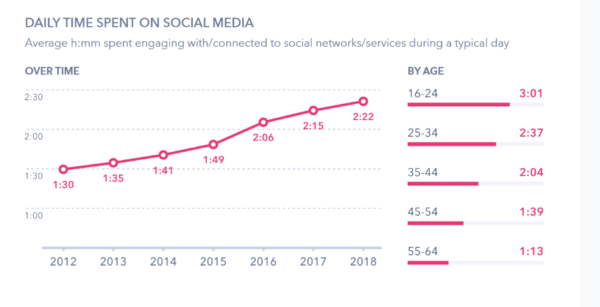
Time Spent by Age
It’s not just about who’s on social media, but how much time they give it.
- 16-24 years: The heaviest users, averaging 3 hours and 1 minute daily.
- 25-34 years: Next up with 2 hours and 37 minutes per day.
- 35-44 years: Around 2 hours and 4 minutes.
- 45-54 years: Dropping to 1 hour and 39 minutes.
- 55-64 years: The least engaged, with just 1 hour and 13 minutes a day.
Platform Trends by Gender
- Pinterest and Instagram: Lean female.
- X (Twitter), LinkedIn, and Bluesky: More male-dominant.
- Facebook and YouTube: Still the most balanced mix across ages and genders.
What does this mean for marketers? If your brand is chasing Gen Z, TikTok and Instagram are non-negotiable.
But if you’re looking to reach decision-makers or professionals, LinkedIn is your go-to. And if your audience skews older, Facebook and YouTube remain king.
How Social Media Fits into Daily Life in 2025
Social media isn’t just something people dip into anymore. It’s now stitched into the rhythm of daily life. And it’s not just about chatting with friends anymore.
People turn to social media to stay informed, get entertained, discover new products, and even make purchases. Each platform has carved out its own role in our routines:
Daily Social Media Behaviors
- Facebook:5% of users log in on their phones.
- TikTok: The ultimate attention magnet. Users open the app 344 times a month – that’s 11+ sessions a day.
- YouTube: Globally, users rack up more than 27 hours a month just on the mobile app.
- Bluesky: Short but sweet. The average visit lasts 10 minutes and 35 seconds.
- LinkedIn: 57% of its traffic comes from mobile users.
- X (Twitter): People spend 8 billion minutes daily scrolling timelines.
- Pinterest: A visual escape – 82-85% of activity is mobile-based.
- Instagram: Users average 30 minutes a day exploring reels, stories, and posts.
- Snapchat: Still holding strong with 30 minutes a day per user.
Social Media Statistics by Usage Purpose
Social media might look like endless scrolling, but behind every tap is a purpose. People head online for different reasons, and those reasons often change with age.
Here are the top reasons people use social media:
- Staying connected: This is still the number one reason. On Facebook alone, 72% of users say they’re there mainly to keep in touch.
- News & updates: Over 30% of adults now treat social media as their main news source.
- Entertainment: Younger users (16-24) lead the way here, with 7% admitting they hop on mostly to kill time or get entertained.
- Shopping research: More than 40% of internet users browse platforms to check out products. Meanwhile, 54.3% follow and research brands directly.
- Professional networking: Not just a LinkedIn thing – more than 44% of social media users say networking is a core reason they’re online.
What Kind of Content People Are Engaging with Most in 2025?
The short answer is ‘Video.’ The long answer? Short-form video.
In 2025, clips on TikTok, Instagram Reels, and YouTube Shorts are still stealing the spotlight. They’re quick, dynamic, and highly shareable – and audiences love them.
On Instagram, posts with video get 49% more engagement than photos.
On LinkedIn, video drives a staggering 5x more engagement than other formats. And on TikTok, educational creators are hitting engagement rates of up to 9.5%.
But it’s not only about flashy visuals. Content that’s relatable, helpful, or interactive is what keeps users hooked. Think:
- Carousels that break info down step by step
- Quick how-to videos that solve a problem
- Polls that spark conversations
- Live streams that feel real and unscripted
Each format has its place, and the best-performing brands are mixing them up instead of sticking to just one style.
How Are Businesses Using Social Media in 2025?
For brands, social media isn’t just about “being online” anymore. It’s become a full-on business engine. From finding new customers to keeping them loyal, platforms are now where discovery, engagement, and even transactions happen in real time.
No surprise then that 87% of businesses say social media has boosted their bottom line.
Here are some business-driven stats that show how organizations are tapping into the power of social media:
- Facebook Marketplace: Used by more than 250 million sellers It blends community-style commerce with classic e-commerce.
- Instagram: This has become a powerhouse for product discovery. 90% of users follow at least one business, and 61% say they use the app to find new products.
- TikTok: In 2024 alone, SMEs pulled in $14.7 billion through the platform.
- LinkedIn: The go-to for B2B. It now hosts 67 million companies, with 4 in 5 users being decision-makers. That makes the platform a goldmine for lead generation.
What’s fueling this growth? Content that feels natural, consistent, and in tune with the platform.
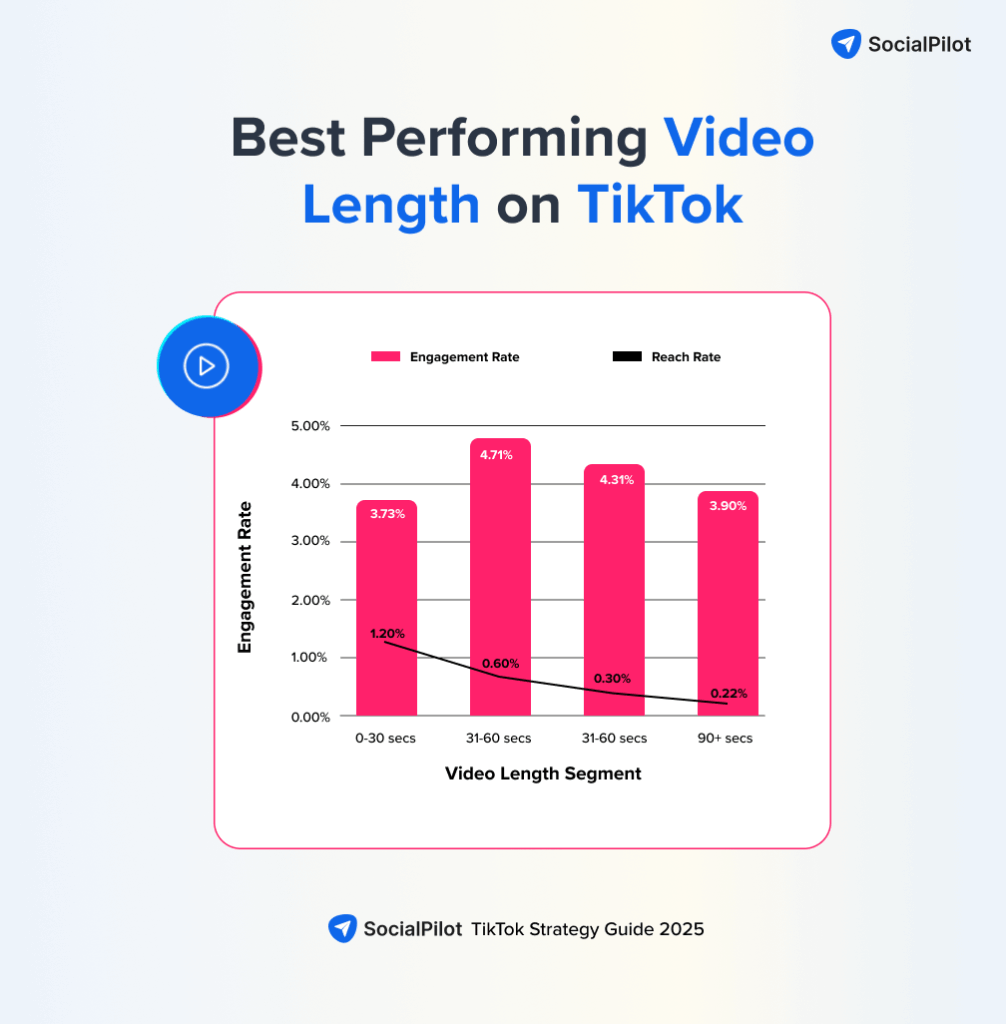
On TikTok, for example, brands posting short videos (31-60 seconds) weekly hit up to 2.11% reach and rack up 3x more engagement than longer or horizontal formats.
Source: SocialPilot
Platform-Specific Social Media Statistics in 2025
Every social media platform has its own rhythm. Some drive conversations, others fuel entertainment, and many are now direct shopping hubs.
Let’s break down the most important numbers for each major platform in 2025.
Love it or hate it, Facebook is still the biggest player in the game.
- 06 billion monthly active users – the largest network worldwide.
- 90% of consumers still maintain a Facebook profile.
- It remains the most-used platform by marketers (86%), ahead of Instagram (79%).
- Biggest audience: men aged 25-34 (18.4%).
- 39% of consumers use Facebook as their top choice for direct purchases.
- The average American spends 32 minutes per day
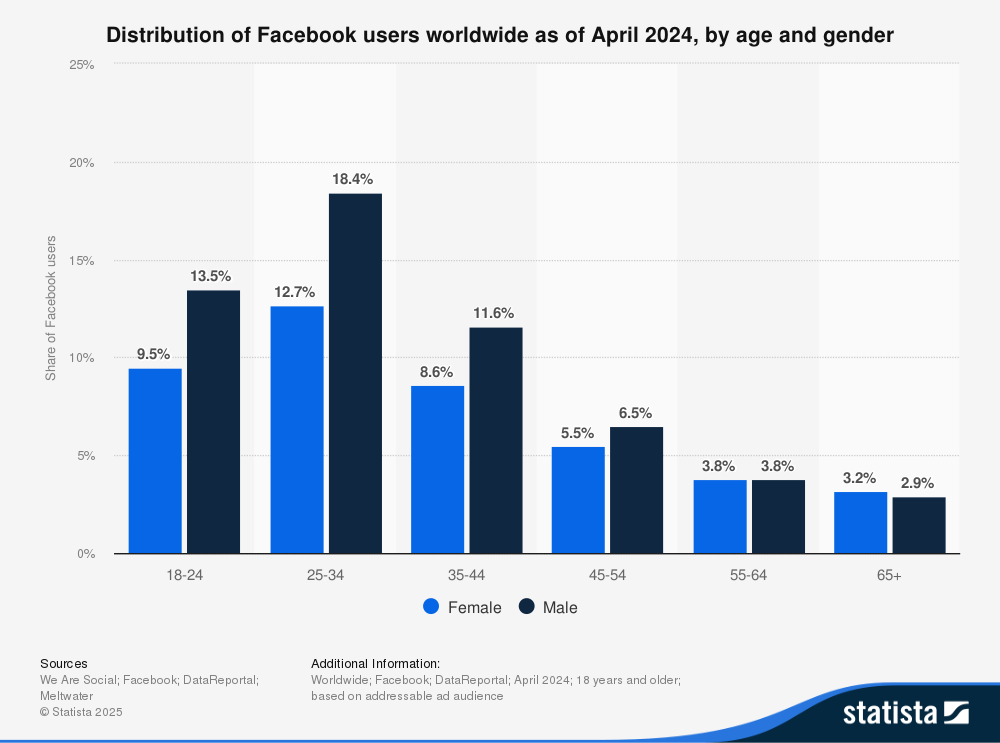
For brands: Facebook may be aging, but it’s still the go-to for high-income consumers, community groups, and direct sales.
Instagram has shifted from just pretty pictures to product discovery and even customer care.
- 2 billion monthly active users.
- 82% of social users have an Instagram account.
- Largest age group in the U.S.: 25-34-year-olds (28.3%).
- Users spend about 32 minutes daily on the app.
- 1.74 billion users can be reached with Instagram ads.
- 61% of people use Instagram to find their next purchase.
- 72% of Gen Z prefer Instagram for customer service.
- Engagement is slipping (down to 50% YoY), but it’s still 3x higher than Facebook.
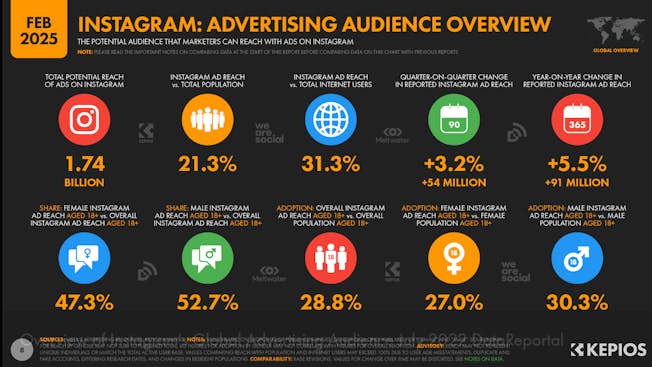
TikTok
No doubt, regulatory challenges have been a major roadblock in the path of TikTok. But even with that, the platform continues to dominate attention as people spend several hours there monthly.
- Around 65 billion monthly visits.
- Potential ad reach: 59 billion users.
- 56% of social users have a TikTok profile (rising to 82% for Gen Z).
- Android users spend 35 hours a month watching TikTok.
- User base skews male (55.7%).
- Largest age group: 25-34 (35.3%), followed by 18-24 (30.7%).
- 54% of TikTok users engage with brand content daily.
X (formerly Twitter)
Still the home of real-time chatter, memes, and breaking news.
- 611 million monthly active users.
- Half of all social users have an account.
- Users clocked 364 billion active seconds and 3 billion video views per day in 2024.
- 3% of X users are male.
- 59% of users rely on X for the latest news.
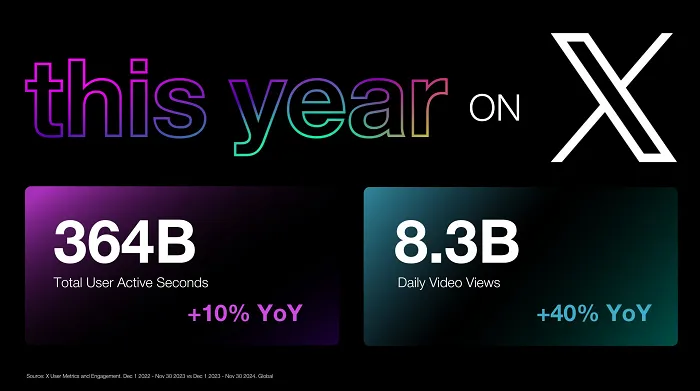
For brands: Think fast, react to trends, and keep it conversational.
Threads
Meta’s text-first experiment is carving its space.
- 275 million monthly active users (Q4 2024).
- Average visit lasts 3 minutes 51 seconds.
- Majority of users are 25-34 years old, and more than half are male.
The professional network keeps getting stronger. Here are some amazing LinkedIn statistics marketer should know:
- 1 billion members across 200+ countries.
- 43% of all social users have a LinkedIn profile.
- The U.S. leads with 234 million users.
- Home to 67 million company pages.
- 6% of users are aged 25-34.
- A quarter of users engage with brand content daily.
- Text posts and static images drive the most engagement.
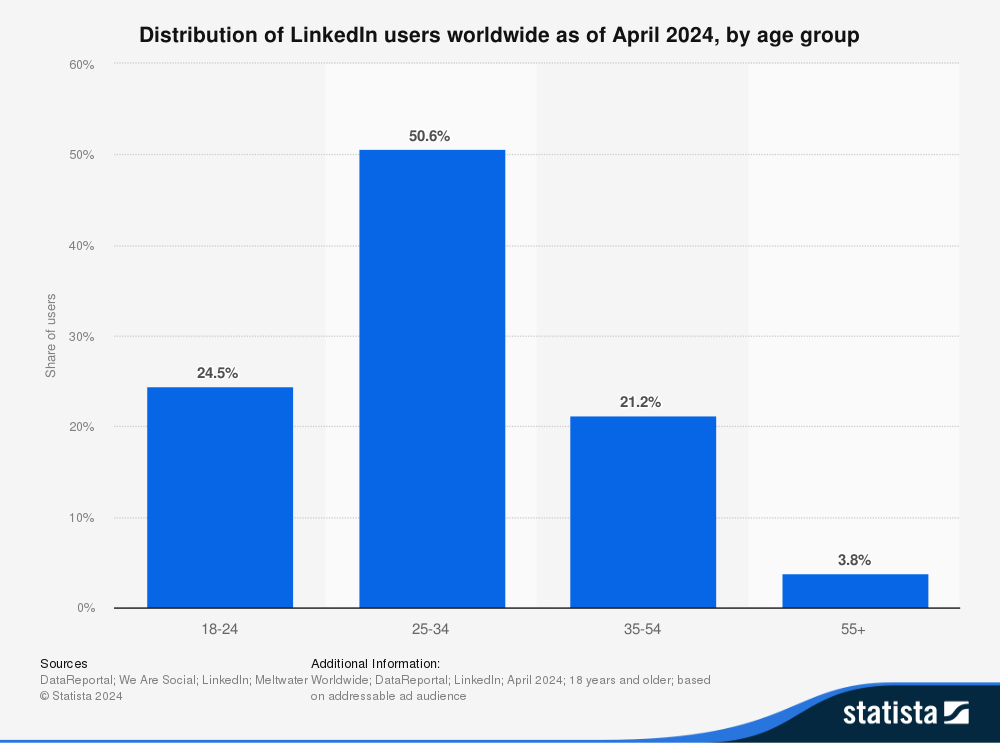
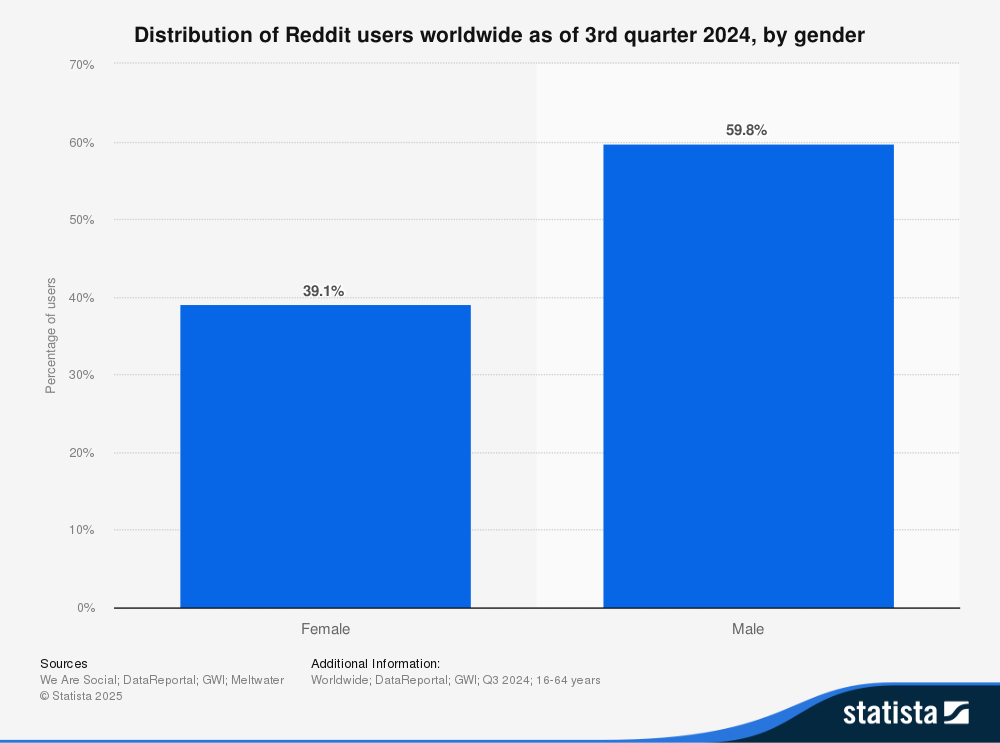
Reddit remains the internet’s biggest forum. Interestingly, the platform continues to grow, and it’s becoming a serious ad platform.
- 49 million users in 2025, with forecasts hitting 556 million by 2028.
- 8% of users are male.
- Generated $315 million in ad revenue in Q3 2024 (+56% YoY).
- 8 billion site visits in January 2025 alone.
- More than 50% of Reddit traffic comes from the U.S.
- Largest communities: r/funny (56.6M) and r/AskReddit (45M).
YouTube
The king of video still wears the crown.
- 5 billion global users.
- 78% of social users own a YouTube account.
- Largest audience segments: men aged 25-34 (12%) and 35-44 (10.1%).
- People spend almost twice as much time here as on TikTok.
- 70%+ of visits come from mobile.
- Long-form videos are still favored, but 31-60 second clips are rising fast.
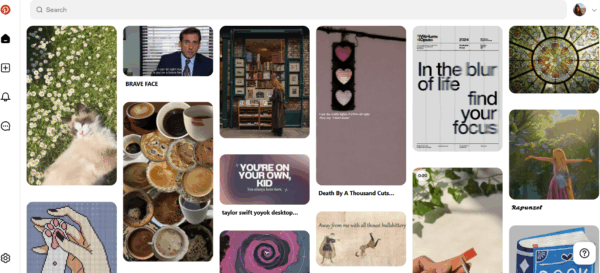
Often overlooked, but quietly powerful for discovery.
- 553 million monthly active users.
- 4% of users are female.
- Site saw 1.3 billion visits in March 2024.
- 80% of weekly users discover new products or brands on Pinterest.
- 25% of all social users wish brands posted here more often (that jumps to 31% among Gen Z).
Which Platforms Offer the Best Ad Reach and ROI in 2025?
If there’s one thing clear in 2025, it’s that social ads are no longer optional. They’re a core part of every marketing plan.
But not all platforms give the same bang for your buck. Some dominate in reach, while others shine in ROI, especially for brands that know their audience.
Here are key advertising numbers you should know
- YouTube: Tops the charts with a potential ad reach of 2.54 billion users worldwide.
- Facebook: Close behind at 2.28 billion, with an impressive CTR of 2.53%, one of the highest across social platforms.
- Instagram: Ad revenue is forecast to hit $71 billion by the end of 2025. Reels between 60-90 seconds drive 24% more shares than other formats.
- Pinterest: Quietly delivering some of the best returns, with 2x higher ROAS than Facebook and Instagram, plus an ad reach of 340 million users.
- TikTok: Projected to hit a jaw-dropping $331.1 billion in global ad revenue. Traffic campaigns see an impressive 67% CTR.
- LinkedIn: Ads here boost purchase intent by 33%, making it a go-to for B2B and high-ticket sales.
- Snapchat: Ad reach has climbed to 709 million users, with its advertiser base doubling in Q4 2024.
- X (Twitter): Expected to generate $2.26 billion in ad sales, with photo and video posts pulling in the most engagement.
What’s the takeaway here? Platforms like YouTube and Facebook still dominate for sheer reach. But if ROI is your priority, Instagram, Pinterest, and TikTok are where the money flows, especially for e-commerce and visually-led brands.
For B2B, LinkedIn is unmatched in targeting decision-makers.
Influencer Marketing Statistics in 2025: The Numbers Behind the Buzz
Influencer marketing has moved from being a nice add-on to becoming a key part of inbound strategy. Today, more than ever, people are making buying decisions based on what their favorite creators post. And the numbers show just how powerful this space has become.
- The market size will hit $32.55 billion in 2025, up from $24 billion just last year.
- Instagram leads the pack with 1% of marketers choosing it for influencer partnerships. TikTok follows close behind at 51.6%.
- 49% of consumers say they purchase at least once a month because of influencer content.
- 4% of marketers report better campaign performance when using AI to guide influencer marketing.
- 93% of influencers consider the quality of a brand’s social content before agreeing to collaborate.
All these show that big reach doesn’t always equal big impact. The most successful influencer campaigns come from creators who genuinely connect with their followers and align with the brand’s values. Tools and AI can help with finding the right fit, but authenticity is what drives conversions.
Future Trends Shaping Social Media in 2025
If 2024 taught us anything, it’s that social media moves fast, and 2025 is no exception.
The way people use platforms is shifting, and brands that can adapt early will stay ahead of the curve. Let’s take a quick look at some of the biggest trends shaping the space right now:
AI-Driven Content:
AI is everywhere, from captions to chatbots. But in 2025, the winners will be brands that use AI smartly without losing the human touch. Consumers can spot copy-paste automation a mile away.
Authenticity Over Aesthetics
Perfectly polished posts are giving way to raw, real content. Audiences crave honesty, and platforms are rewarding unfiltered, conversational interactions.
Social Commerce Growth
Shopping directly on platforms is becoming second nature. With TikTok Shop, Instagram Checkout, and Facebook Marketplace, the line between “scrolling” and “buying” is thinner than ever.
Niche Platforms Rising
While Facebook and Instagram still dominate, smaller platforms like Threads, Reddit, and Bluesky are attracting loyal communities. Marketers are starting to test the waters here before competition heats up.
Short-Form Video Still King
TikTok, Reels, and Shorts aren’t slowing down. Expect brands to double down on quick, engaging clips that grab attention within seconds.
Stronger Community Focus
Think of private groups and micro-communities. Users are moving toward spaces that feel personal. Brands that nurture these communities will build deeper loyalty.
For the common thread, people are demanding more value and more connection. Social media is no longer just about broadcasting but about building relationships at scale.
Turning Numbers to Action: Building Smarter Strategies with OnlySocial
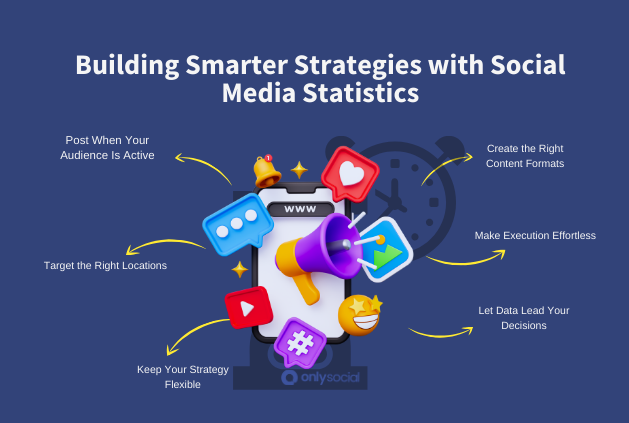
All the statistics we’ve covered are powerful, but they only matter if they influence what you do next. Data without strategy is just noise.
The trick is turning those insights into decisions, and that’s where a tool like OnlySocial makes the difference. Here’s how it can help:
1. Post When Your Audience Is Active
Timing is everything. If your audience’s peak activity is in the evenings, that’s when your posts should go live. OnlySocial analyses your engagement data across platforms and recommends the best posting windows, so you’re showing up when it matters most.
2. Create the Right Content Formats
Stats show video dominates, but your audience might still love carousels, polls, or live chats. With OnlySocial’s multi-format publishing, you can test different content styles, track performance, and double down on what really works.
3. Target the Right Locations
Not every region is growing at the same pace. OnlySocial’s scheduling and targeting features let you adapt your campaigns to specific countries or regions, ensuring your reach isn’t wasted where your audience isn’t active.
4. Let Data Lead Your Decisions
Trends change quickly. Maybe your short videos are suddenly outperforming static posts, or engagement is dropping mid-week. OnlySocial’s analytics dashboard gives you real-time signals so you can pivot before campaigns lose steam.
5. Keep Your Strategy Flexible
What’s hot today might flop tomorrow. With OnlySocial, you can set benchmarks, track them monthly, and adjust your strategy as the numbers evolve. Think of it as building a living, breathing strategy that adapts as fast as social media itself.
6. Make Execution Effortless
Strategy is the thinking part; execution is where many teams get stuck. OnlySocial streamlines the heavy lifting with bulk scheduling, automated publishing, content calendars, and unified reporting. That way, you spend less time juggling tools and more time creating content that clicks.
Final Thoughts
Social media in 2025 isn’t just about posting more but about posting smarter.
The numbers tell us where audiences are spending their time, what kind of content grabs attention, and which platforms deliver the best ROI. Regardless of the platform, every stat points to one clear truth: the brands that thrive are the ones that let data guide their next move.
But turning statistics into strategy takes more than just keeping up with reports. It takes the right tools. When you have a tool like OnlySocial by your side, it helps you create better content, schedule smarter, track performance, and adapt your campaigns as fast as the platforms evolve.
The future of social media belongs to the marketers who combine insight with execution. Use the numbers, use the tools, and you won’t just keep up in 2025 – you’ll stay ahead.
FAQs on Social Media Statistics in 2025
Is social media use increasing?
Yes. While growth is slower than in the early 2010s, user numbers are still climbing. In 2025, there are over 5.4 billion users worldwide, and that figure is projected to pass 6 billion by 2028.
Which social media platform has the highest engagement rate in 2025?
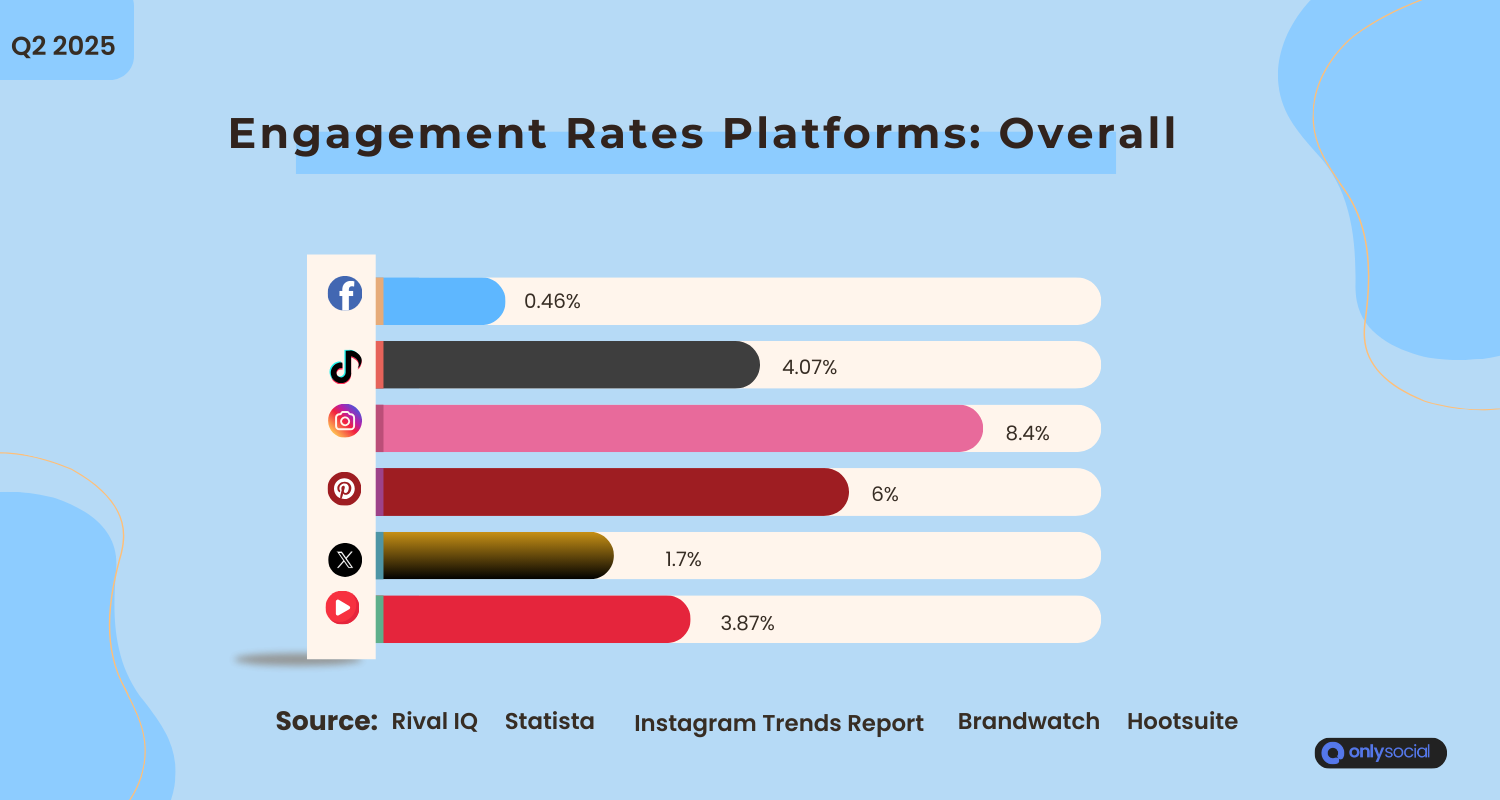
TikTok leads the way, especially among Gen Z, with daily brand engagement rates above 50%. Short-form video continues to capture attention better than other formats.
Why are social media statistics important for marketers?
Because numbers reveal behavior. Stats show where people spend time, what content they engage with, and which platforms deliver ROI. Without data, strategies are just guesses.
Is social media marketing still effective?
Absolutely. With 87% of businesses reporting positive results from social media, it’s clear that the right mix of content, ads, and engagement still drives growth.
Which age group uses social media the most?
The 18-34 age range dominates, accounting for over 70% of global users. Gen Z and Millennials are the most active across platforms like TikTok, Instagram, and YouTube.
How can social media management tools help?
Tools like OnlySocial simplify the hard parts, including scheduling, bulk publishing, analytics, and cross-platform reporting. They turn scattered stats into clear strategies.
How effective is user-generated content in driving engagement?
Very. UGC is often more trusted than brand-created content. It boosts authenticity and can increase engagement by showing real people using your product.
How does AI impact social media marketing productivity?
AI speeds up content creation, targeting, and analytics. In fact, 66% of marketers report better campaign performance when using AI in influencer and content strategies.
Are influencers still effective in 2025?
Yes. Nearly half of consumers (49%) buy something at least once a month because of influencer content. The key is partnering with creators who align with your brand values.